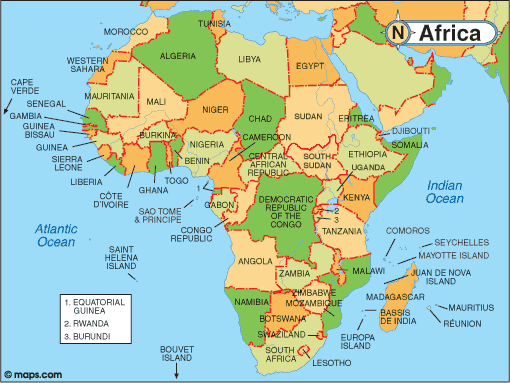
On the map of the world, Africa is the second-most populous continent in the world, with over 1.3 billion people spread across 54 countries, making it incredibly diverse. From the ancient pyramids of Egypt, the lush Nile, the vast Sahara Desert, and the variety of vibrant capital cities, Africa is home to some of the world's most iconic landmarks and natural wonders. With a rich history that dates back to prehistoric times, Africa has been shaped by a complex mix of cultures and influences. This map of Africa aims to provide a glimpse into the continent's geography, history, and tourist attractions, highlighting some of the most breathtaking sights that Africa has to offer.
In addition to its rich culture and history, Africa boasts a variety of ecosystems, from the rainforests of Central Africa to the savanna and grasslands of East Africa, leading to an immense diversity of wildlife. Some of the largest and most popular rivers in the whole world can be found on the continent too, such as the Congo, Niger, and Nile, painting a great deal of impact on civilizations.
Africa’s economy is growing rapidly, driven by its vast natural resources, its agriculture, and a restless, youthful population. Despite challenges, Africa's resilience and vibrant cultures continue to shape its destiny, making it a continent of immense potential and hope.
Click on a country in the map index for a more detailed map.
History of Africa
The African continent has a rich history that dates back to prehistoric times. Africa was the birthplace of human civilization, and the ancient Egyptians were one of the most advanced civilizations in the world. The continent was later colonized by European powers, which had a significant impact on its history and development.
Geography of Africa
Africa is the world's second-largest continent, covering an area of 30.2 million square kilometers. It is bordered by the Mediterranean Sea to the north, the Atlantic Ocean to the west, the Red Sea and the Indian Ocean to the east, and the Sahara desert to the north. The continent is divided into five regions: North Africa, West Africa, Central Africa, East Africa, and Southern Africa. Some of the major cities in Africa include Cairo, Lagos, Johannesburg, Nairobi, and Casablanca.
Tourist Attractions in Africa
Africa is home to a wide range of tourist attractions, including historical landmarks, natural wonders, and wildlife reserves.
Historical Landmarks
Some of the most famous historical landmarks in Africa include the Pyramids of Giza and the Great Sphinx in Egypt, as well as the ancient cities of Timbuktu and Djenné-Djenno in Mali. Lalibela in Ethiopia is known for its stunning rock-hewn churches, while Carthage in Tunisia is an ancient city that was once a powerful center of trade and culture in the Mediterranean world.
Natural Wonders
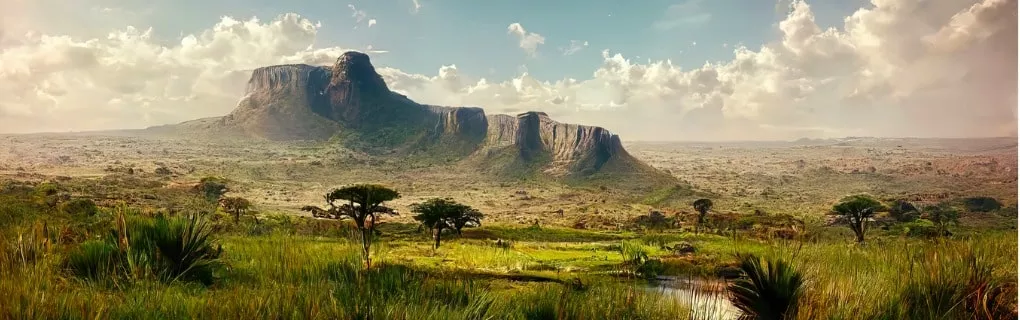
Africa boasts a wide range of natural wonders, with some of the most breathtaking sights in the world. Visitors can marvel at the majestic Victoria Falls, which straddles Zambia and Zimbabwe, or climb to the peak of Mount Kilimanjaro, the highest mountain in Africa. The vast Sahara Desert, which spans multiple countries in North Africa, is a sight to behold, with its expansive dunes and harsh, unforgiving landscape. The Ngorongoro Crater in Tanzania offers a unique opportunity to see a variety of wildlife in a natural setting, while the Okavango Delta in Botswana is a paradise for bird watchers and nature lovers. The Serengeti National Park, which spans Tanzania and Kenya, is home to some of the world's most impressive animals.
Wildlife Reserves
Africa is also home to many renowned wildlife preserves, where visitors can see a variety of animals in their natural habitats. Some of the most popular reserves include Kruger National Park in South Africa, Masai Mara National Reserve in Kenya, and Virunga National Park in the Democratic Republic of Congo. These reserves, as well as Etosha National Park, Namibia, and Bwindi Impenetrable National Park, Uganda, offer visitors a chance to see some of Africa's most iconic animals, such as lions, elephants, giraffes, and gorillas.
People Also Ask...
If you're inspecting maps of Africa, you may have some queries about the region. Here are some of the most frequently asked questions, along with their answers.
How Many Countries Are in Africa?
There are 54 countries in Africa, making it the second largest and second-most populous continent in the world. Each of these countries has its own unique identity, shaped by a mix of factors including colonialism, geography, language, religion, and traditions. From the vast deserts of the Sahara in the north, to the lush rainforests of the Congo Basin in the center, and the savannas of the south, Africa is a unique and fascinating place.
| Algeria | Angola | Benin | Botswana |
| Burkina Faso | Burundi | Cabo Verde | Cameroon |
| Central African Republic | Chad | Comoros | Democratic Republic of the Congo |
| Republic of the Congo | Djibouti | Egypt | Equatorial Guinea |
| Eritrea | Eswatini | Ethiopia | Gabon |
| Gambia | Ghana | Guinea | Guinea-Bissau |
| Ivory Coast (Côte d'Ivoire) | Kenya | Lesotho | Liberia |
| Libya | Madagascar | Malawi | Mali |
| Mauritania | Mauritius | Morocco | Mozambique |
| Namibia | Niger | Nigeria | Rwanda |
| São Tomé and Príncipe | Senegal | Seychelles | Sierra Leone |
| Somalia | South Africa | South Sudan | Sudan |
| Tanzania | Togo | Tunisia | Uganda |
| Zambia | Zimbabwe |
What are the major cities in Africa?
Africa hosts a range of vibrant and varied cities, each possessing its distinct culture, history, and importance. These cities act as centers for economy, politics, and culture, propelling the advancement and progress of their nations. Find some of the major cities below:
- Cairo
- Lagos
- Nairobi
- Johannesburg
- Kinshasa
- Addis Ababa
- Cairo
- Cape Town
- Dakar
- Abidjan
What Language Do They Speak in Africa?
There are over 1,000 different languages and dialects spoken in Africa, with many countries having multiple official languages. Some of the most widely spoken languages include Arabic, Swahili, Hausa, Yoruba, Amharic, and Zulu. The choice of language often depends on factors such as colonial history, geography, and cultural traditions.
What Is Africa Called in Africa?
Africa is referred to by different names in different regions of the continent. In the Swahili language spoken in East Africa, the continent is called "Afrika." In South Africa, it is called "Afrika" in Afrikaans and "i-Afrika" in Zulu. In the Amharic language spoken in Ethiopia, it is called "አፍሪካ" (Afrika). However, there may be many other names for the continent in local languages.
What Are the Big 3 African Countries?
Three of the largest and most influential countries in Africa are Nigeria, Egypt, and South Africa.
Nigeria is the most populous country in Africa, with a diverse population of over 200 million people. Egypt is home to some of the world's most iconic ancient monuments, including the pyramids and the Sphinx. South Africa is a diverse country with a complex history, and is known for its stunning natural beauty, wildlife, and unique cultural heritage.
What is the population in Africa?
Africa is home to more than 1.3 billion people. It ranks second among continents in population. People in Africa reproduce quickly, and young people make up a high proportion of the total population. The continent covers a vast area and has a rich diversity. Many ethnic groups, languages, and cultures are among its people. The main ethnic groups are the Arabs in North Africa, the Yoruba and Igbo in West Africa, the Zulu and Maasai in Southern Africa, the Hausa and Fulani in West Africa, and the Amhara in East Africa.
What is the cuisine of Africa?
African culinary traditions are exceptionally varied. In West Africa, staples such as jollof rice, fufu, and pounded yam are commonly accompanied by stews or soups containing vegetables, meat, or fish. In East Africa, you can discover tasty meals like injera, a tangy flatbread paired with spicy stews, including doro wat. Southern African cuisine features beloved dishes such as braai (barbecue), biltong (cured dried meat), and maize-based meals like pap.
The cuisine of each region is significantly shaped by native ingredients, historical farming practices, and cultural heritage.
What is the Sahara Desert?
The world's largest hot desert is the Sahara Desert, covering a substantial portion of North Africa. It stretches about 3,600,000 square miles long—almost the size of the United States. The desert is known for its extreme temperatures, distinctive scenery, and vast dunes, with a variety of plant and animal species that have managed to adapt to such a challenging environment as this place offers.
What is the longest river in Africa?
The famous Nile River is Africa's longest river, extending more than 4,130 square miles. It moves northward through northeastern Africa, traversing nations such as Uganda, Sudan, and Egypt. Historically, the Nile has been crucial for farming, travel, and the growth of early societies in Egypt and Sudan.
What drives Africa’s economy?
Nigeria has the largest economy in Africa, driven by its rich oil resources, agriculture, and telecommunications sectors. Home to some of Africa's strongest economies, South Africa and Egypt have a diverse industrial base and significant contributions from mining, manufacturing, and tourism.
What animals are native to Africa?
The continent of Africa has a great variety of animals, including lions, elephants, giraffes, and rhinos. It is home to many different species of zebras, leopards, and hippos. Countries have famously diverse ecosystems like the Serengeti and Kruger National Park.
What is the highest mountain in Africa?
At 5,895 meters above sea level, Mount Kilimanjaro (United Republic of Tanzania) is Africa's tallest mountain. It is an inactive three-cone volcano and is a popular destination for climbers worldwide. Uhuru Peak, the highest point on the summit, presents a picturesque view and an icon of adventure and beauty in nature.
African Countries: Maps
Territory and Dependency Maps: Africa
Think you have what it takes?
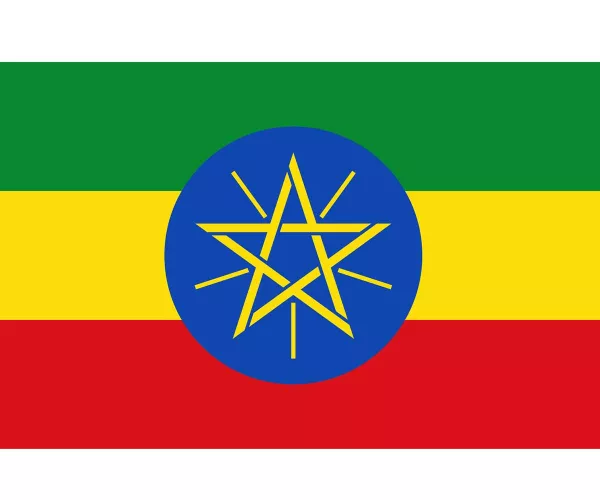
Show off your geography knowledge with our quiz on the flags of Africa.
|
|
 |


