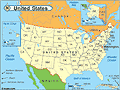
Texas, also known as the Lone Star State, is the second-largest state in the United States, located in the southern region of the country. It shares borders with Arkansas to the northeast, Louisiana to the east, Oklahoma to the north, and New Mexico to the west. The Gulf of Mexico lies to the southeast of the state, providing ample opportunities for beach lovers and water enthusiasts.
The State has a rich history. Before joining the US, Texas was an independent republic between 1836 and 1845. The unique combination of Latino, Native American, and Anglo heritages adds to its identity.
If you want to discover more in-depth information on the Lone Star State of Texas, check out our Texas Profile. You can also find details about Texan historic events, disasters, entertainment, animals, geographic landmarks, travel ideas, and haunted places with our Facts About Texas hub!
Plus, test your U.S. state knowledge with our American geography quiz, Which State Came First?
Texas Facts: History
The state of Texas boasts a captivating and rich history that dates to the 16th century when Spanish explorers first inhabited it.
Over the centuries, Texas has been shaped by numerous cultural influences, including those of the Native American tribes who originally inhabited the region. In 1836, Texas declared its independence from Mexico and became its own republic. It joined the United States in 1845 and played a significant role in the country's history, including the Civil War. After oil was discovered in the early 1900s, the state saw tremendous growth and became a major economic and cultural force. The Texas oil boom happened in the 20th century.
Texas Facts: Geography
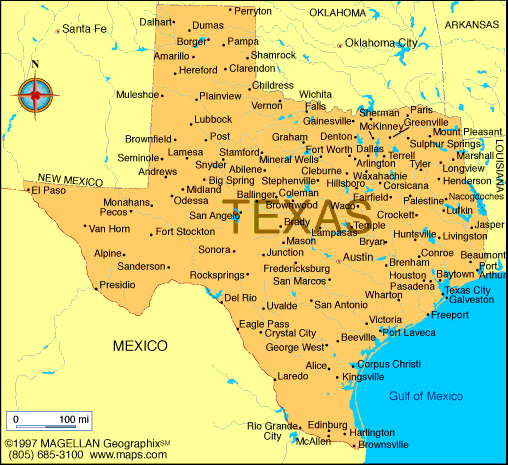
Texas is a large and diverse state that boasts a varied landscape with many unique geographic features. From the rugged mountains of the west to the lush forests of the east, Texas has something to offer everyone. The state is also home to several major rivers, including the Rio Grande, the Brazos, and the Colorado. Some of Texas’ major cities include Houston, Dallas, San Antonio, and Austin, the state capital.
Guadalupe Peak is the highest natural point in Texas, with an elevation of 8,751 feet. It is located in the Guadalupe Mountains National Park in western Texas, near the border with New Mexico. The state is also home to many state parks, including Big Bend Ranch State Park and Palo Duro Canyon State Park. A Texas county map and road map can help you navigate through the state with ease.
Major Cities of Texas
Texas is home to many major cities, each with its own unique culture and attractions. Some of Texas’ top cities to visit include:
- Houston
- San Antonio
- Dallas
- Austin
- Fort Worth
- El Paso
- Arlington
- Corpus Christi
- Plano
- Lubbock
- Laredo
- Irving
- Garland
- Frisco
- McKinney
- Amarillo
- Grand Prairie
- Brownsville
- Killeen
- Denton
- Abilene
- Odessa
- Pecos
- Texas City
- Galveston Island
Interstate Highways in Texas
Texas is a vital transportation hub due to its vast network of interstate highways. The highway system spans to more than 3,000-miles. The Interstate Highway System facilitates trade and travel throughout the state by linking important cities and regions.
Some of the most important highways include I-35, which runs from Laredo to the Red River, and I-10, which runs from El Paso to the Louisiana border. Other important highways include I-20, I-30, and I-45.
Texas Facts: Tourist Attractions
Texas offers a wealth of tourist attractions that cater to a range of interests, from national parks to fantastic eateries. Here are some of the top destinations to visit:
- Austin: The state capital of Texas, Austin, is known for its vibrant music scene, fascinating museums, and outdoor activities. Visitors can explore the Texas State Capitol, take a dip in Barton Springs Pool, or enjoy live music at one of the city's many venues. The city also boasts a thriving food scene, with many restaurants offering a variety of cuisines.
- Houston: Houston is the largest city in Texas, and is home to a thriving arts and culture scene. The city is also known for its world-class museums, including the Museum of Fine Arts and the Houston Museum of Natural Science. Visitors can also explore the city's many parks, including Hermann Park and Discovery Green.
- San Antonio: San Antonio is a charming city with a rich history and cultural heritage. The city's top attraction is the Alamo, a UNESCO World Heritage Site that played a significant role in Texas history. The River Walk is another popular destination, offering visitors a scenic stroll along the San Antonio River. The city is also known for its delicious Tex-Mex cuisine, with many restaurants serving up traditional dishes.
- Padre Island National Seashore: Texas's Gulf Coast includes the breathtaking Padre Island National Seashore, a barrier island, offering immaculate beaches, varied wildlife, and unspoiled beauty. Visitors can choose from camping, kayaking, birdwatching, fishing, and many other activities.
- Dallas/Fort Worth: Dallas and Fort Worth are two major cities located in North Texas. The cities offer a range of attractions, including world-class museums, amusement parks, and shopping destinations. Visitors can explore the Dallas Museum of Art, catch a game at AT&T Stadium, or shop at the Galleria Dallas Mall.
- Gulf of Mexico: The Gulf of Mexico is a popular destination for beach lovers and water enthusiasts. Some of the top beaches in Texas include Galveston, Corpus Christi, and Port Aransas. Visitors can also go fishing, kayaking, or sailing in the Gulf.
- Big Bend National Park: Situated along the Rio Grande in southwest Texas, this expansive and untamed area offers varied wildlife, tall mountains and stunning desert scenery. Some of the popular outdoor activities are hiking, camping, rafting, and stargazing.
- Guadalupe Mountains National Park: Renowned for its varied wildlife, rich history, and untamed mountain scenery - this natural park is a hidden gem for nature lovers and adventurers. The' highest point offers both strenuous hiking and stunning views. Hiking, camping, and stargazing are among the preferred outdoor pursuits.
- Rio Grande Valley: The Rio Grande Valley is a region located in South Texas, and the Rio Grande river itself runs through it. The region is known for its natural beauty, which is celebrated at the Santa Ana National Wildlife Refuge. Visitors can also explore the nearby Gladys Porter Zoo or take a trip to the nearby town of Harlingen.
People Also Ask...
If you're inspecting the Texas state map, you may have some queries about the region. Here are some of the most frequently asked questions, along with their answers.
What Cities Are in Texas?
Some of the major cities in Texas are Houston, San Antonio, Dallas, Austin, and Fort Worth, with populations ranging from over one to nearly three million people.
What Percentage of Texas Is Desert?
Deserts cover just under 10% of Texas. The Chihuahuan Desert is the largest of the state's four deserts, and it is located in the western part of the state. Other deserts in Texas include the Trans-Pecos Desert, the Permian Basin, and the Hueco Bolson.
What Is Texas Known For?
Texas is known for its fascinating history, unique culture, and beautiful natural landmarks. It is home to some of the country's most iconic landmarks, including the Alamo and the state capitol building, and is famous for its oil industry, delicious barbecue, and rodeo cowboys.
Is San Antonio Closer to Dallas or Austin?
San Antonio is closer to Austin than it is to Dallas. By road, Austin is located approximately 80 miles northeast of San Antonio, while Dallas is located approximately 275 miles to the north.
What is the Capital of Texas?
Austin is the capital of Texas. It is well-known for its thriving tech sector, music scene, and exciting cultural festivals.
What is the Biggest City in Texas?
The largest city in Texas, Houston is well-known for its thriving food and art scenes, energy industry and space exploration (NASA's Johnson Space Center).
Why is Texas Called the "Lone Star State"?
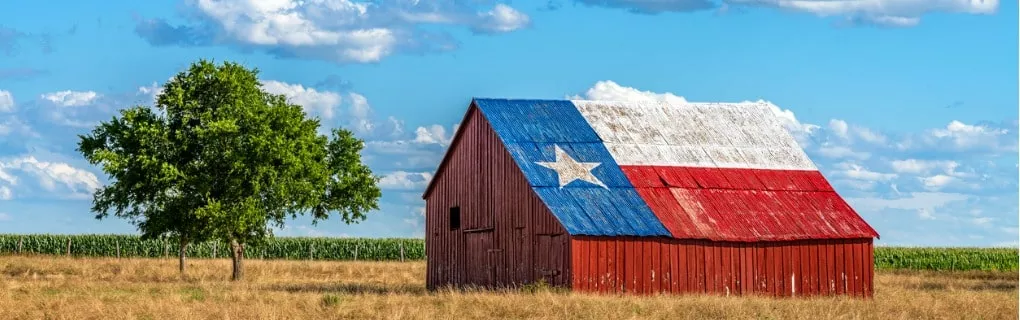
The "Lone Star State" label comes from the single star on Texas's flag, which represents the state's struggle for independence. After declaring its independence from Mexico in 1836, Texas became a republic and it remained a sovereign nation for almost ten years. The "lone star" stands for pride, self-sustainability and independence. Even after joining the United States in 1845, the symbol remained as a reminder of the state's unique history.
What is the Food in Texas?
Texas's cuisine incorporates elements of Mexican, Western, and Southern cuisines and is a delectable representation of its multiculturalism. Some popular food examples are slow-smoked meats like brisket, ribs, sausage served with zesty sauces, and traditional sides like coleslaw, potato salad and baked beans.
Texas BBQ is among the most recognizable cuisines. Another key element is Tex-Mex, which includes dishes like tacos, enchiladas, fajitas, and chili con carne - all rich in cheese and flavor.
What is the Weather in Texas?
Texas has varied climate due to its vast scale. The eastern region enjoys hot summers and mild winters due to its subtropical climate. The western region, on the other hand, experiences colder winters and more desert-like arid conditions. While the Gulf Coast can be hurricane-prone and humid in the summer and fall, Central Texas has a combination of both. The central and southern parts are known for their scorching summers.
What is the State Motto of Texas?
The motto of Texas is "Friendship." It represents the state's hospitable demeanor and tradition of forging close ties with other areas. The state is known for amicable ties with its allies and neighbors.
|
|