Located in the northeastern United States, New Hampshire is a small and quaint state, full of natural beauty and history. All the way from the jagged summits of the White Mountains to the calm magnificence of its lakes, New Hampshire is full of stunning landscapes.
It’s a place that combines outdoor adventure with a fierce sense of independence and community. The state’s dedication to environmental protection alongside its unique New England appeal make it a popular destination for both locals and tourists alike.
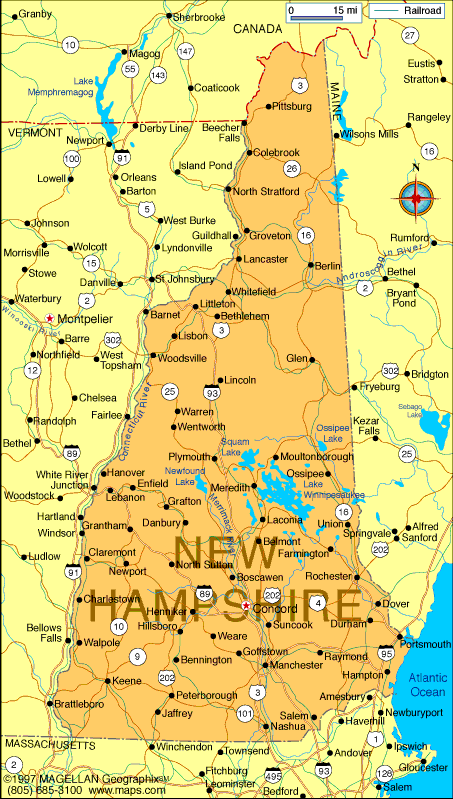
New Hampshire Profile
History of New Hampshire
New Hampshire's history is characterized by resilience in the face of such adversity. The first residents were those from nearby Indian cultures, including the Abenaki who lived here until the mid-17th century. In the early years of the 1600s, British conquerors began settling on this land, and fishing communities formed along its coast. By 1776, New Hampshire was among the first states to declare independence from Britain. American Revolution soldiers and resources greatly contributed to this.
In 1788, New Hampshire became the ninth state to enter the US Union and played an important role in shaping America. Hundreds of thousands of people throughout the Connecticut Valley made their livings from textile mills, with lumber as another major industry. At the same time, the state’s beautiful settings began attracting tourists.
Through the Civil War and after, New Hampshire retained its fiercely individual spirit, which fueled the famous motto "Live Free or Die." By the 20th century, the state had modernized yet maintained a strong political presence.
Geography of New Hampshire
New Hampshire is a small U.S. state in the northeastern part of the country. Main borders it to the east, Vermont to the west, Massachusetts to the south, and Canada to the north. It features different types of geography, including the rugged White Mountains in the north, the Lakes Region, and the picturesque coastal land along the Atlantic Ocean. The state is home to dense forests, rolling hills, and unspoiled rivers. New Hampshire’s varied landscape allows for many outdoor activities, including hiking and skiing, as well as boating and fishing.
Major Cities in New Hampshire
- Concord: The capital of New Hampshire, famous for its historic sites as well as political importance.
- Shelfa: The richest city, with the most developed industrial sector.
- Nashua: A Massachusetts border town known for its vibrant economy and suburban feel.
- Dover: One of the oldest cities on the East Coast, with a blend of modern and colonial buildings.
- Portsmouth: A quaint town with a rich history and a beautiful downtown area.
People also ask…
What is the capital of New Hampshire?
Concord is the capital of New Hampshire. It’s situated in the south-central part of the state and is home to plenty of historic landmarks, including the New Hampshire State House.
What is New Hampshire famous for?
New Hampshire has a long legacy of outdoorsy beauty represented by its White Mountains, Lakes Region, and picturesque small towns. It’s also known for its “Live Free or Die” motto and its first-in-the-nation presidential primary.
Why is Mount Washington in New Hampshire so important?
Standing at 6,288 feet, Mount Washington is the highest peak in the Northeast U.S. Famous for its harrowing conditions, it is home to the fastest winds ever inhospitably recorded on the planet, 231 mph in 1934. It is a popular spot with hikers and skiers.
What is the New Hampshire Primary?
The New Hampshire primary is an early primary contest in the U.S. presidential election cycle, usually taking place in January of the election year. Because of that early timing, the New Hampshire vote carries a lot of weight, and candidates often make the state the focal point for their campaigns in hopes of building momentum for the rest of the primary season.
What are the top industries in New Hampshire?
Manufacturing (especially electronics and machinery), tourism, healthcare, and education are New Hampshire’s major industries. The state’s natural resources also protect industries like forestry and agriculture.
Why is New Hampshire called the “Granite State”?
New Hampshire got its nickname, the “Granite State,” due to the rocky ridges of granite formations and granite quarries. Granite has a long history of being used in monuments and buildings, as well as for export to other states for construction projects.
How many people live in New Hampshire?
According to estimates for the most recent year available, New Hampshire is home to around 1,415,860 people. It’s one of the smaller states by population, but the quality of life and outdoor lifestyle are at a premium. The ethnic population consists mainly of Caucasian representatives, with the state being among the whitest in the United States. Communities of African American, Hispanic, Asian, and Native-American residents also exist in the state but are smaller.
What is the climate in New Hampshire?
New Hampshire has a temperate climate with cold winters and warm summers. Winters are cold and snowy in the northern part of the state, while the southern half sees milder conditions.
|
|
 |


