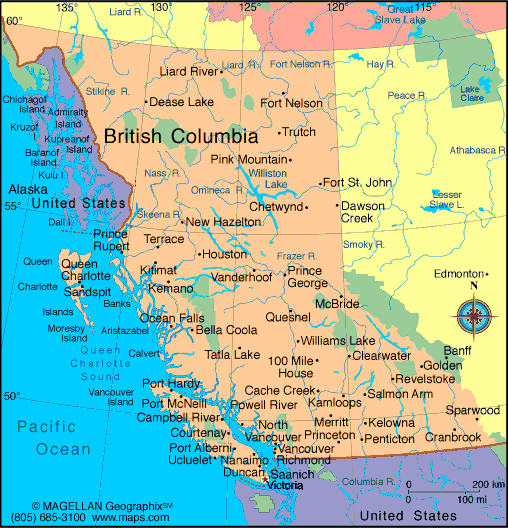
British Columbia is a beautiful province located on the Western Canada map, bounded by the Pacific Ocean to the west, the U.S. state of Alaska to the northwest, the province of the Yukon to the north, the Northwest Territories to the northeast, Alberta to the east, and the states of Washington, Idaho, and Montana to the south.
The province is known for its stunning natural beauty, with towering mountains, dense forests, and picturesque coastlines that offer a wide range of attractions for visitors.
If you want to discover more in-depth information on British Columbia as a Canadian province, check out our British Columbia Profile!
Plus, test your knowledge with our Canada geography quiz, How Well Do You Know British Columbia?
History of British Columbia
British Columbia has a rich history dating back thousands of years and was originally inhabited by indigenous peoples, including the Haida, Kwakwaka'wakw, and Nuu-chah-nulth, among others.
These communities cultivated intricate cultures, customs, and a strong bond with the land. European exploration commenced in the late 18th century when Captain James Cook arrived in 1778, succeeded by other explorers such as George Vancouver.
The first adventurers from Europe to explore the region were Spanish sailors in the late 18th century, followed by British explorers and fur traders. During the 19th century, the fur trade became vital to British Columbia’s economy, while the gold discovery contributed to the establishment of the British Columbia colony in 1858.
The province became a part of Canada in 1871. The finishing of the Canadian Pacific Railway in 1885 contributed to its economic expansion, especially in sectors such as mining, forestry and fishing.
During the 20th century, there was rapid growth due to urbanization and the enlargement of the cities. Different groups and communities began asserting their rights and pursuing land titles, which led to modern agreements such as the Nisga’a Treaty in 1998.
Geography of British Columbia
British Columbia is Canada's westernmost province and features several mountain ranges, such as the Rocky Mountains and the Coast Mountains. Furthermore, the province is famous for its numerous islands, like Vancouver Island and the Gulf Islands, offering tourists a distinct experience.
The Okanagan Valley, Fraser Valley, Squamish, and Shuswap regions are known for their vineyards and orchards, which produce some of the best fruits and wines in the world. The map of British Columbia is also home to a number of hot springs and national parks, which offer a chance to experience nature up close and personal.
Tourist Attractions in British Columbia
Situated between the Canadian Rockies and the Pacific Ocean coast, British Columbia has a wide range of tourist attractions that offer something for everyone. Here are just a few of the most popular destinations!
- Vancouver: Vancouver is a main coastal city known for its vibrant culture, stunning natural beauty, and world-class attractions such as New Westminster, Stanley Park, Granville Island, and the Capilano Suspension Bridge.
- Vancouver Island: Vancouver Island is the largest island off the west coast of North America and is home to the city of Victoria, the capital of British Columbia, as well as other cities like Nanaimo and Prince George. The island is known for its rugged coastline, old-growth forests, and abundant wildlife, making it a paradise for outdoor enthusiasts.
- Whistler: Whistler is a resort town located in the Coast Mountains, north of Vancouver. It is a popular destination for skiing and snowboarding in the winter, and mountain biking and hiking in the summer. Visitors can also enjoy the vibrant culture and nightlife of the town.
- The Sea-to-Sky Highway: The Sea-to-Sky Highway provides an incredible driving experience, leading adventurers through British Columbia's shores. It features stunning scenery of the ocean, peaks, and cascades. This picturesque drive from Vancouver to Whistler features stunning sites like Shannon Falls Provincial Park and Brandywine Falls, making it essential for nature lovers.
- The Great Bear Rainforest: The Great Bear Rainforest is situated on the central coast of British Columbia and is one of the largest temperate rainforests globally. This remote wilderness is home to a variety of wildlife, such as spirit bears, a unique white subspecies of black bears. Guests can navigate the rainforest through boat rides or guided excursions to admire its unspoiled beauty.
- Okanagan: The Okanagan region is known for its vineyards, orchards, and lakes, including Lake Okanagan. The region is popular for outdoor activities such as hiking, biking, and boating, as well as wine tasting and culinary experiences. Major cities for tourism include Kelowna, Vernon, and Penticton.
- Cariboo: The Cariboo region is located in the central interior of British Columbia and is known for its historic gold rush towns and ranches. Visitors can take a trip back in time and experience the rich history of the region.
- Bowen Island: A brief ferry trip from Vancouver, Bowen Island is a peaceful retreat from the noise and stress of urban living that boasts charming trails and a cozy small-town vibe. Hikers have the opportunity to travel across the path leading to Mount Gardner for breathtaking scenery, while the picturesque village of Snug Cove offers a peaceful place to relax by the water.
- Haida Gwaii: Haida Gwaii, formerly known as the Queen Charlotte Islands, is an archipelago located off the northwest coast of British Columbia. The islands are home to the Haida people and are known for their unique ecology and cultural history. Visitors can immerse themselves in the culture of the Haida people and explore the stunning natural beauty of the islands.
- Kootenay Region: Kootenay is located in southeastern British Columbia and is known for its mountain ranges, hot springs, and national parks. Visitors can experience the natural beauty of the region and enjoy a variety of outdoor activities such as hiking, skiing, and wildlife watching.
- Kamloops: Kamloops is a city located in the Thompson Valley, known for its outdoor activities such as fishing, hiking, and skiing. Visitors can also enjoy the city's vibrant culture and history.
- Hot Springs and National Parks: British Columbia is home to a number of wide-open hot springs, including Liard River Hot Springs Provincial Park and Radium Hot Springs. Visitors can relax and rejuvenate in the natural hot springs, surrounded by stunning wilderness. You can also visit several national parks, including Glacier National Park, Mount Revelstoke National Park, and Pacific Rim National Park Reserve.
- Gulf Islands: The Gulf Islands are a group of islands located off the east coast of Vancouver Island, known for their beaches, wildlife, and outdoor activities. Visitors can explore the islands' unique ecology and culture.
- Other Tourism Cities: Cassiar, Langley, and Surrey are some of the other destinations that visitors can explore while in British Columbia. Cassiar is home to some of British Columbia's best camping sites, Langley is known for its antiques and markets, and Surrey offers plenty of shopping and dining options.
People Also Ask...
If you're inspecting maps of British Columbia, you may have some queries about the region. Here are some of the most frequently asked questions, along with their answers.
What Is British Columbia Known For?
British Columbia is known for its natural beauty, including mountains, forests, and coastlines. It is also famed for its wine, orchards, and outdoor recreation opportunities, as well as its classic Canadian hospitality.
What Cities Are in British Columbia?
Some of the major cities in British Columbia include:
- Vancouver
- Victoria
- Surrey
- Kelowna
- Burnaby
- Abbotsford
- Richmond
- Kamloops
- Langley
- Nanaimo
What is the Weather in British Columbia?
The weather differs significantly throughout the province. Coastal areas, like Vancouver, experience a temperate climate characterized by mild, rainy winters and dry, hot summers. Inland areas, such as Kelowna, have a more continental climate with chillier winters and warmer summers.
What is the Capital of British Columbia?
The capital city of British Columbia is Victoria - located on Vancouver Island.
It is recognized for its delightful mix of historic buildings, lovely gardens, and a temperate coastal climate. Being the oldest city in British Columbia, it is home to prominent attractions such as the Royal BC Museum and the legendary BC Legislature.
What is the Population of British Columbia?
In 2024, the population of British Columbia is roughly about 5,719,594 individuals. Most of the population lives in the Vancouver metropolitan region, the largest city in the province. British Columbia is among Canada's most populated and diverse areas, drawing individuals from around the globe because of its excellent quality of life and breathtaking scenery.
It is very diverse in terms of ethnic groups, with most of its residents having European ancestry, especially from British, German, and Italian origins. There are also significant Asian Canadian populations, comprising individuals of Chinese, Indian, and Filipino heritage.
What is the Time Zone is British Columbia?
The majority of British Columbia operates on Pacific Time (PT), but certain regions in the eastern section of the province follow Mountain Time.
What is the Food in British Columbia?
British Columbia is famous for its fresh seafood harvested from its vast coastline, such as wild salmon, crab, and oysters. The region highlights farm-to-table cuisine, showcasing locally sourced fruits, vegetables, and wines from places such as the Okanagan Valley. Its food options incorporate Indigenous, Asian, and Pacific Northwest influences to craft an assortment of tasty meals.
What Is There To Do in British Columbia?
British Columbia offers a diverse range of attractions, including outdoor activities such as hiking, skiing, and boating, as well as cultural attractions such as museums and galleries.
|
|