Malta is an island country located in the Mediterranean Sea, and is also known as Repubblikka ta’ Malta, or the Republic of Malta. It is situated south of Sicily and north of Tunisia. The island nation is one of the smallest countries in the world and a member of the European Union. The official languages spoken are Maltese and English.
Malta's advantageous position in the Mediterranean has established it as a vital hub for trade and culture, enriching its varied and lively heritage that draws millions of visitors annually.
The Maltese Islands have a fascinating history and culture that dates back to prehistoric times. The country has been inhabited by various civilizations throughout history, including the Phoenicians, the Romans, the Arabs, the Normans, the Knights of St. John, the French, and the British.
Famous for its breathtaking landscapes, Malta has clear blue waters, and lovely architecture. The capital city, Valletta, is recognized as a UNESCO World Heritage site and features magnificent Baroque architecture, ancient fortifications, and stunning churches.
The island is known for its vibrant cultural activities, featuring festivals, traditional music, and cuisine that combines influences from different cultures.
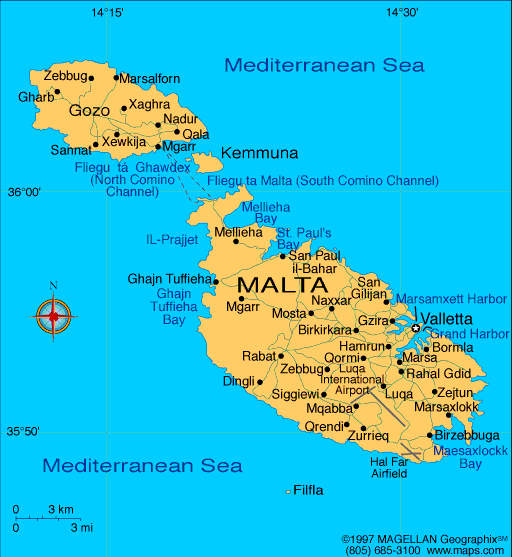
To see the physical layout and roadways of Malta, you can refer to the physical and road map of Malta below!
If you want to discover more in-depth information on Malta as a country, check out our Malta Profile!
Plus, test your country knowledge with our world geography quiz on European Flags.
Malta Facts: History
Malta's strategic location in the Mediterranean and within the map of Europe has made it a crucial point for trade and military operations throughout history. The island country has seen numerous conflicts and conquests over the years, and its rulers have left their mark on the country's architecture, language, and culture.
Malta gained independence from the United Kingdom in 1964 and became a republic in 1974. Today, the country is known for its thriving economy, rich culture, and welcoming people.
Malta Facts: Geography
Malta is located in southern Europe and is surrounded by the Mediterranean Sea. The Maltese Islands consist of three islands: Malta, Gozo (or Għawdex), and Comino (or Kemmuna). The island of Malta is the largest and most populated of the three islands, while Gozo is known for its scenic landscapes and beaches. The largest localities in Malta include Birkirkara, Qormi, Mosta, Zabbar, and St. Paul's Bay.
The capital city, Valletta, is located in the eastern part of the main island of Malta. Valletta is a UNESCO World Heritage Site and is known for its stunning architecture, museums, and cultural events. The Malta International Airport is also located on the main island of Malta, making it easily accessible for visitors from around the world.
Malta Facts: Tourist Attractions
Malta is a sought-after travel spot that provides numerous attractions. The island features many historical landmarks, such as Mdina, Malta's previous capital, and the Grand Harbour, which has been important in the nation's history. Tourists can likewise appreciate the stunning Blue Lagoon on Comino Island and the charming fishing village of Marsaxlokk.
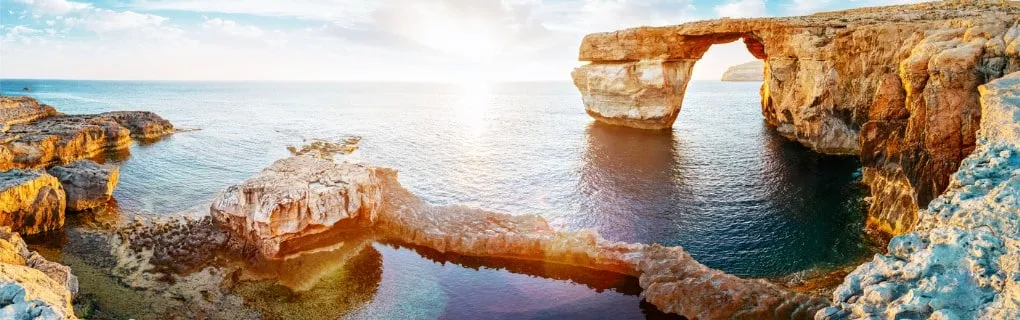
Sliema is another popular tourist destination that offers a bustling nightlife and incredible views of the Mediterranean Sea. The island of Gozo is known for its stunning natural beauty, including the Azure Window and the Ggantija Temples, which are among the oldest free-standing structures in the world. Mellieha Bay is another popular destination for tourists, with its sandy beaches and crystal-clear waters.
People Also Ask...
If you're inspecting the Malta country map, you may have some queries about the region. Here are some of the most frequently asked questions, along with their answers.
What Is Malta Known For?
Malta is known for its rich history, beautiful beaches, and warm climate. The country is also famous for its traditional cuisine, including rabbit stew, pastizzi, and ftira.
What Language Do They Speak in Malta?
The official languages spoken in Malta are Maltese and English. Maltese is a Semitic language that evolved from Arabic, and it is the only Semitic language that is written in the Latin alphabet.
What is the Capital of Malta?
Valletta is the capital city of Malta. It is recognized as a UNESCO World Heritage Site famous for its vibrant history, Baroque architecture, and breathtaking vistas of the Grand Harbour. Valletta was constructed by the Knights of St. John and continues to be a center of culture, history, and governance for the island nation
Is Malta Part of the European Union?
Yes, Malta is a member of the European Union. It joined the EU in 2004 and has since become an important member of the organization, and is featured on the world map as part of it.
What Is the Population of Malta?
As of 2023, the population of Malta is approximately 467,138, according to research by the CIA Factbook. The majority is Roman Catholic, and the country has a diverse population with influences from the Middle East, Greece, Italy, and other parts of Europe.
Is Malta Part of Spain or Italy?
Malta is not part of Spain or Italy. It is an independent island country located in the Mediterranean Sea, south of Sicily and north of Tunisia. It is one of the smallest countries on the physical map and a member of the European Union.
What is the Cuisine Like in Malta?
The cuisine of Malta showcases its extensive history and the cultural impacts of different civilizations, such as Italian, British, and Arab. Classic Maltese cuisine is robust and tasty, frequently highlighting fresh, locally obtained ingredients such as seafood, vegetables, and meats. One of the nation's most well-known dishes is fenek (rabbit stew), commonly prepared with wine, garlic, and herbs. Pastizzi, a favored snack, consist of flaky pastries stuffed with ricotta cheese or peas.
Is Malta a Popular Tourist Destination?
Indeed, Malta is a well-known tourist spot celebrated for its extensive history, stunning beaches, and lively culture. Visitors are attracted to its UNESCO World Heritage sites, Mediterranean weather, and occasions such as the Malta International Arts Festival.
Is Malta Safe to Visit?
Indeed, Malta is widely regarded as a safe place for travellers. The crime rate is quite low, making it a favored destination for tourists because of its friendly ambience and well-established tourism facilities. Like any travel spot, it’s wise to take simple precautions, like safeguarding valuables and being alert to your environment.
What is the Weather in Malta?
Malta experiences a Mediterranean climate, noted for its hot, arid summers and moderate, rainy winters. The island enjoys about 300 sunny days annually, attracting many beach enthusiasts and outdoor adventurers. Malta's mild climate and enjoyable weather create a year-round holiday destination, particularly appealing for those wanting sunny conditions during the winter.
What is the History of Malta's Temples?
The temples of Malta, including the Ggantija Temples located on Gozo, rank among the oldest free-standing buildings globally, having been constructed around 3600 BC. Constructed by ancient peoples, these locations are regarded as significant archaeological sites.
How did Malta get its Name?
The name of Malta is believed to derive from the Greek word "Melita," meaning "honey-sweet." This refers to the island's natural beauty or its strategic location as a crossroads of trade and culture.
Why is Malta known for its Knights of St. John?
Malta’s past is closely linked to the Knights Hospitaller, or the Knights of St. John, who governed the island from 1530 until 1798. They converted Malta into a formidable stronghold, constructing remarkable edifices such as Fort St. Elmo and the Grandmaster’s Palace. Their legacy remains evident today, and their impact on the island's culture, architecture, and history makes Malta a top destination for history lovers.
How Many Islands are in Malta?
The Maltese islands comprise three primary landmasses: Malta, Gozo, and Comino. There are also a number of smaller uninhabited islets and stones.
What are the Best Beaches to Visit in Malta?
Malta features some beautiful beaches, with Golden Bay ranking among the most favored due to its golden sands and transparent waters, ideal for swimming and unwinding. Mellieħa Bay, situated on the northern shoreline, is famous for its shallow waters, making it perfect for families.
For a more private experience, St. Peter’s Pool features crystal-clear waters encircled by steep cliffs, ideal for sunbathing and cliff diving. Ramla Bay in Gozo is yet another stunning location, featuring its red sand and tranquil ambience.
|
|
 |


