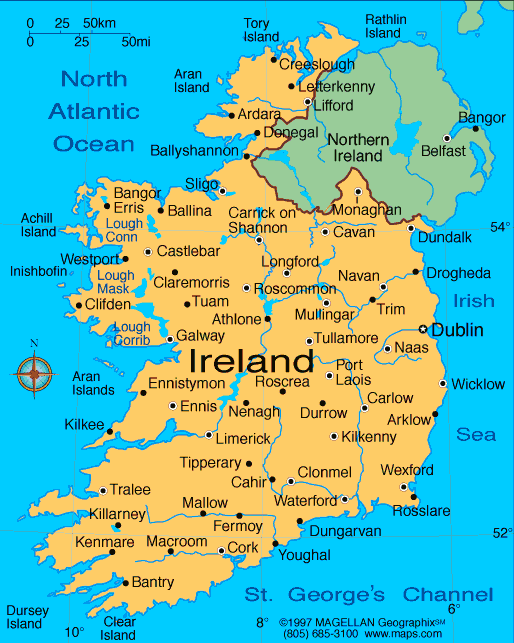
Known for its rolling green hills, rich folklore, and welcoming people, Ireland is a destination full of natural beauty and cultural depth. Whether exploring lively cities or quiet coastal villages, visitors are drawn to its unique charm. A map of Ireland reveals its diverse geography, including rugged cliffs, sandy beaches, lush valleys, and serene lakes.
Ireland is part of the British Isles and is located to the northwest of mainland Europe. It shares the island with Northern Ireland, which is part of the United Kingdom, while the rest of the island makes up the independent Republic of Ireland.
Ireland Profile
History of Ireland
Ireland’s history stretches back thousands of years, from the early Celtic tribes to Viking invasions and Norman conquests. For centuries, the island was under foreign rule, most significantly by the British. In 1922, Ireland gained independence from the United Kingdom and later became a republic in 1949.
The 20th century was shaped by Ireland’s struggle for sovereignty and the conflict in Northern Ireland, also known as The Troubles, which lasted from the late 1960s until the 1998 Good Friday Agreement, which brought lasting peace to the region.
Geography of Ireland
Ireland is a large island located in north-western Europe, covering about 32,595 square miles. It is the third-largest island in Europe and the twentieth-largest in the world. The island is divided into two parts. The Republic of Ireland is an independent country that makes up most of the island, while the north-eastern part is Northern Ireland, which is part of the United Kingdom.
Ireland is surrounded by several bodies of water. The Atlantic Ocean lies to the west, the Irish Sea to the east, the Celtic Sea to the south, and the North Channel separates it from Scotland to the northeast. The western coastline is known for its high sea cliffs, rugged landscapes, and coastal beauty. In contrast, the interior of the island features rolling green hills, farmland, rivers, and lakes. One of the most important rivers is the River Shannon, which runs through the middle of the island and is the longest river in Ireland.
The island’s mild oceanic climate brings plenty of rain throughout the year, helping to keep the landscape green and lush. This natural beauty, combined with Ireland’s deep history and culture, makes it a place of great interest for visitors and locals alike.
Major Cities in Ireland
- Dublin: The capital and largest city of Ireland, Dublin is known for its historic architecture, thriving tech scene, and vibrant nightlife. It is home to Trinity College and the Guinness Storehouse.
- Cork: Ireland’s second-largest city, Cork is famous for its food culture, riverside views, and the English Market.
- Galway: Located on the west coast, Galway is known for its festivals, traditional music, and colorful streets.
- Limerick: A historic city on the River Shannon, Limerick features medieval landmarks such as King John’s Castle and a developing arts district.
- Waterford: The oldest city in Ireland, Waterford is known for its Viking heritage and world-famous Waterford Crystal.
3 Fun Facts about Ireland
- Land of Saints and Scholars: Ireland has produced many literary greats, including James Joyce, Oscar Wilde, and W.B. Yeats.
- No snakes: According to legend, St. Patrick banished all snakes from Ireland. To this day, the island has none.
- Gaelic Games: Ireland is home to traditional sports like hurling and Gaelic football, which are widely played and watched.
People Also Ask...
What is Ireland known for?
Ireland is famous for its green countryside, historic castles, vibrant music and pub culture, and literary heritage.
Is Ireland safe to visit in 2025?
Yes, Ireland is generally considered very safe for tourists. As with any destination, it’s a good idea to stay aware of your surroundings in crowded areas.
What is the population of Ireland?
As of 2025, the Republic of Ireland has a population of approximately 5.3 million people.
Do I need a visa to visit Ireland?
Citizens from many countries, including the U.S. and EU member states, can enter Ireland without a visa for short stays. It's best to check with the Irish embassy or consulate for up-to-date requirements.
What is the main language in Ireland?
English is the primary language spoken. Irish (Gaelic) is also an official language and is taught in schools. Road signs and official documents often appear in both languages.
What is the currency in Ireland?
The official currency is the euro (€). Credit cards are widely accepted, although having cash on hand is useful in rural areas or small shops.
What food is Ireland famous for?
Irish cuisine includes dishes like Irish stew, soda bread, boxty, and hearty pub meals. Many visitors also enjoy the seafood and dairy products from Ireland's lush pastures.
What are the top attractions in Ireland?
Must-see sites include the Cliffs of Moher, Blarney Castle, Killarney National Park, and Dublin’s historic landmarks. For those interested in ancient history, Newgrange and the Rock of Cashel are also popular destinations.
|
|
 |


