
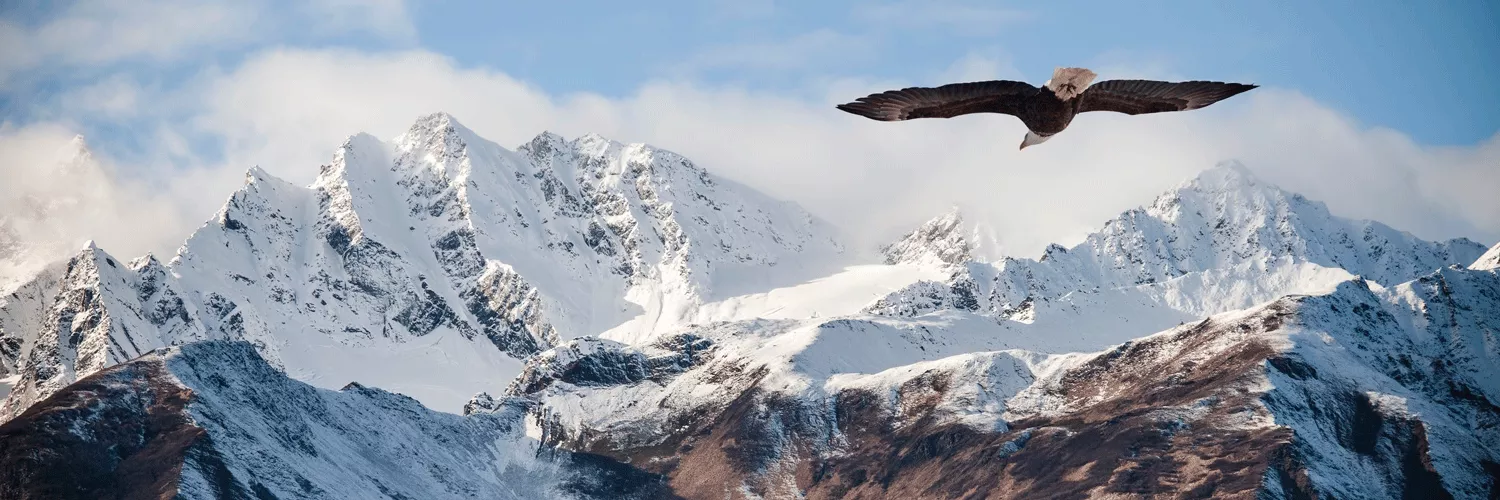
The United States of America is a country of immense geographical diversity, with a landscape that spans from snow-capped mountains to sun-kissed beaches, arid deserts to lush forests. The country's expansive geography is one of its defining characteristics, and it boasts 50 states, each with its unique topography, history, and culture. The U.S. is also the third largest country in the world by land area, at approximately 3.8 million square miles!
In this article, we'll take a closer look at the 25 largest states in the United States by area, according to the U.S. Census Bureau [1]. From the rugged wilderness of Alaska to the prairie expanses of Illinois, each state on this list offers its own unique experiences and attractions.
| Rank | State | Area (sq. miles) | Rank | State | Area (sq. miles) |
|---|---|---|---|---|---|
| 1 | Alaska | 663,267 | 14 | Idaho | 83,569 |
| 2 | Texas | 268,581 | 15 | Kansas | 82,278 |
| 3 | California | 163,696 | 16 | Nevada | 77,347 |
| 4 | Montana | 147,040 | 17 | South Dakota | 77,116 |
| 5 | New Mexico | 121,590 | 18 | Washington | 71,362 |
| 6 | Arizona | 113,990 | 19 | North Dakota | 70,698 |
| 7 | Nevada | 110,560 | 20 | Oklahoma | 69,899 |
| 8 | Colorado | 104,093 | 21 | Missouri | 69,704 |
| 9 | Oregon | 98,380 | 22 | Florida | 65,755 |
| 10 | Wyoming | 97,813 | 23 | Wisconsin | 65,498 |
| 11 | Michigan | 96,716 | 24 | Georgia | 59,425 |
| 12 | Minnesota | 86,936 | 25 | Illinois | 57,914 |
| 13 | Utah | 84,899 |
1. Alaska
Area: 663,267 square miles
Alaska is the biggest state in the U.S., covering an area of 663,267 square miles, which is more than twice the size of Texas, the second largest state. Despite its enormous size, Alaska is the least densely populated state in the country, with most of its population concentrated in the urban centers of Anchorage, Fairbanks, and Juneau. The smallest U.S. state, Rhode Island, could fit into Alaska 425 times!
Positioned in the northwesternmost part of North America, it is known for its stunning natural landscapes featuring rough terrain, glaciers, and diverse wildlife, including grizzly bears, moose, and bald eagles. Alaska boasts eight national parks, among them Denali National Park and Preserve, which features the tallest mountain in North America, Denali (previously called Mount McKinley).
The climate tends to be subarctic or polar, particularly in the northern areas. It experiences drastic changes in daylight and darkness based on the season, with certain locations receiving as much as 24 hours of sunlight during summer and total darkness in winter.
Alaska is recognized for its oil reserves, rich fisheries, and as a favored spot for outdoor activities such as hiking, fishing, and observing wildlife.
2. Texas
Area: 268,597 square miles
Texas, also known as the Lone Star State, Texas is the second largest state in the U.S., with a land area of 268,597 square miles. It is located in the southern part of the country and shares a border with Mexico. Texas is known for its vast ranches, oil industry, and cowboy culture.
The state is home to many Fortune 500 companies and is a hub for innovation and technology. The capital city, Austin, is known for its vibrant music scene and is often referred to as the "Live Music Capital of the World".
Texas also has a unique blend of Spanish, Mexican, and American influences, and this is evident in its food, music, and architecture. Some of the state's most popular tourist attractions include the Alamo, a UNESCO World Heritage Site, and the Space Center Houston, which is home to NASA's astronaut training and flight control facilities.
It features a varied landscape, including deserts, mountains, forests, and coastal plains. The natural beauty of the state provides many chances for outdoor pursuits like hiking, fishing, and boating. The abundant history and lively customs of the state are honored via yearly festivals, rodeos and fairs that attract many tourists globally.
3. California
Area: 163,696 square miles
California is the third largest state in the United States, covering an area of approximately 163,696 square miles. Located on the west coast of the country and bordering the Pacific Ocean, California boasts of a diverse geography, ranging from the Pacific coastline to the Sierra Nevada mountains, and interesting cultures, from Hollywood to Silicon Valley.
The state is home to many popular cities, including Los Angeles, San Francisco, and San Diego, which offer a unique blend of urban and natural experiences. California's economy is the largest in the United States and the fifth largest in the world, driven by its thriving tech industry and agricultural production.
The area is know for its global influence in the entertainment sector. Hollywood is the origin of the film industry and a key center for television and movie production. Furthermore, California's renowned attractions like the Golden Gate Bridge, Yosemite National Park, and Disneyland draw millions of visitors annually.
The climate is as diverse as its geography, ranging from Mediterranean climates in coastal areas to desert warmth in the inland regions. California pioneers environmental initiatives, emphasizing clean energy and conservation efforts.
4. Montana
Area: 147,040 square miles.
Known as Big Sky Country, Montana is a state located in the western region of the United States. It is known for its vast area, covering approximately 147,040 square miles, making it the fourth largest state in the country. Montana is home to many natural wonders such as Yellowstone National Park and Glacier National Park. These two famous parks are some of the most visited places in the state, drawing millions of visitors each year.
In addition to these attractions, Montana's economy is largely based on agriculture, forestry, and tourism. The state has rich agricultural lands and is known for producing wheat, barley, and lentils. The forestry industry is also strong due to the abundance of forests in the state.
Montana's charming towns and historical sites highlight its varied cultural heritage, with Native American traditions and cowboy practices playing a major role in shaping the state's identity. The state capital, Helena, and its biggest city, Billings, offer a blend of historic buildings and modern amenities.
5. New Mexico
Area: 121,590 square miles
New Mexico is the fifth largest state in the U.S., with a land area of 121,590 square miles. It is located in the southwestern region of the country and is known for its deserts, ancient cultures, and rich history.
One of the most notable features of New Mexico is its vast desert landscapes. These landscapes are home to many national parks and monuments, each offering their unique charm and beauty.
For example, the Carlsbad Caverns National Park is a stunning underground cave system that is home to thousands of bats. Meanwhile, the White Sands National Monument boasts miles of glistening white sand dunes that are perfect for hiking or picnicking. The Bandelier National Monument offers visitors the chance to explore ancient ruins, hike through scenic canyons, and enjoy the natural beauty of the state.
6. Arizona
Area: 113,990 square miles
Arizona, also known as the Grand Canyon State, is a vast state that covers an area of approximately 113,990 square miles, making it the sixth largest state in the United States. Due to its size, Arizona boasts a diverse landscape, from the Sonoran Desert to the Colorado Plateau, and is a popular destination for outdoor enthusiasts and adventure seekers alike.
A standout attraction in Arizona is the Grand Canyon, a natural marvel that attracts millions of tourists annually. The Grand Canyon is a deeply incised gorge shaped by the Colorado River and is regarded as one of the seven natural wonders globally. Those who visit the Grand Canyon can partake in various activities, such as hiking, camping, rafting, and helicopter excursions.
Arizona is home to many other national parks and monuments, such as the Petrified Forest National Park, known for its ancient petrified wood, and the Saguaro National Park, which is home to the iconic saguaro cactus.
7. Nevada
Area: 110,560 square miles
Nevada, also known as the Silver State or Battle Born State, is a vast region covering an area of approximately 110,560 square miles. Despite being the seventh largest state in the country, Nevada is famous not just for its size, but for its unique culture and attractions.
Perhaps the most famous of these is the entertainment capital, Las Vegas, known for its casinos, resorts, and nightlife. But there is much more to Nevada than just the bright lights of Las Vegas. The state is also home to many natural wonders, including stunning desert landscapes that stretch across the horizon.
For instance, Great Basin National Park hosts a variety of wildlife and plant species, alongside unspoiled lakes and streams. The Red Rock Canyon National Conservation Area is a favored spot for outdoor lovers, featuring its stunning red rock formations and picturesque hiking paths.
8. Colorado
Area: 104,093 square miles
Colorado is the eighth largest state in the U.S., with a land area of 104,094 square miles. It is located in the western region of the country and is known as the Centennial State
The state is known for its many mountain ranges, including the Rocky Mountains, which are a major attraction for tourists, particularly during the winter months. These mountain ranges provide ample opportunities for skiing, snowboarding, ice skating, and other winter sports, attracting thousands of visitors every year.
In addition to its natural beauty, Colorado is also known for its vibrant cities, including Denver, which is the capital of the state, Boulder, and Colorado Springs, all of which offer a unique blend of culture, history, and entertainment.
The state is renowned for its craft brewing culture and has a developing tech sector, featuring numerous startups and well-established firms that reside in Colorado.
The state's dedication to sustainability and environmental protection is clear in its clean air, plentiful parks, and progressive policies such as the promotion of electric vehicles, investment in renewable energy sources like wind and solar as well as the state's commitment to recycling programs.
9. Oregon
Area: 98,380 square miles
The Beaver State is a unique and fascinating place that offers an abundance of natural beauty and recreational activities for visitors and residents alike. With an area of approximately 98,380 square miles, Oregon is the ninth largest state in the country. The state is famous for its stunning coastline, which stretches for over 360 miles and offers breathtaking views of the Pacific Ocean. Visitors can explore the numerous beaches, cliffs, and rock formations that make this coastline so special.
Inland, Oregon features extensive woodlands that are ideal for hiking, camping, and various outdoor pursuits. The state hosts numerous national parks and monuments such as Crater Lake National Park, Oregon Caves National Monument and the John Day Fossil Beds National Monument. These parks give guests a view of Oregon's extensive geological past and present an opportunity to witness some of the state's most remarkable and stunning natural attributes.
Visitors can also explore the Oregon Historical Society Museum in Portland, which tells the story of the state's rich history, or visit the Portland Art Museum to see some of the region's finest art collections.
10. Wyoming
Area: 97,813 square miles
Wyoming, or the Equality State, is a large, diverse state that covers an area of approximately 97,813 square miles. It is the 10th largest state in the United States and is home to a variety of natural wonders and beautiful landscapes. Wyoming is perhaps best known for its stunning national parks, including the world-famous Yellowstone National Park and the majestic Grand Teton National Park. These parks draw millions of visitors each year from all over the world, who come to experience the natural beauty and unique ecosystems found within their borders.
Wyoming is likely most recognized for its beautiful national parks, such as the renowned Yellowstone National Park and the impressive Grand Teton National Park. These parks attract millions of visitors annually from across the globe, eager to experience the stunning landscapes and distinct ecosystems present within their boundaries. Wyoming’s limited population and expansive open areas provide it with a distinctive, serene allure that draws in individuals seeking a more relaxed lifestyle and a deep sense of belonging.
But Wyoming's appeal is not limited to its natural wonders. The state's economy is also a major draw. Wyoming is a leading producer of energy, including coal, natural gas, and crude oil. The state is also a hub of tourism, with millions of visitors flocking to its parks, museums, and historical sites each year. And Wyoming's agricultural industry is thriving, with ranches and farms producing a wide variety of crops and livestock.
The state's extensive history, notably as the first to allow women to vote, is showcased in its museums, historical landmarks, and cultural activities.
11. Michigan
Area: 96,716 square miles
Michigan, known as The Great Lakes State, is a vast region that covers an area of approximately 96,716 square miles, making it the 11th largest state in the country. Michigan is a state with a rich history and culture, and it is known for its iconic Mackinac Island, automotive industry, and winter sports.
Alongside these famous attractions, Michigan boasts numerous stunning national parks and monuments that provide visitors with an opportunity to discover the state's natural beauty. For instance, the Sleeping Bear Dunes National Lakeshore is an essential destination that stretches 35 miles along the eastern shore of Lake Michigan. This national park showcases stunning sand dunes, woodlands, and clear waters ideal for swimming and boating.
Another national park that is worth visiting in Michigan is the Isle Royale National Park. This park is located on an island in Lake Superior and is home to a diverse range of wildlife, including moose, wolves, and bald eagles. Visitors can explore the park's rugged terrain by hiking, kayaking, or canoeing, and can even stay overnight in one of the park's rustic cabins.
12. Minnesota
Area: 86,936 square miles
The Land of 10,000 Lakes is Minnesota: a state located in the upper Midwest region of the United States. The state is known for its beautiful and vast natural landscapes which cover an area of approximately 86,936 square miles, making it the 12th largest state in the country.
The state is famously known for its outdoor recreation, including fishing and hunting, which is attributed to the more than 10,000 lakes that it is home to. Minnesota's lakes attract people from far and wide to enjoy the serene atmosphere, partake in a wide range of activities, and marvel at the beauty of the state's natural resources. In addition to outdoor activities, Minnesota is also home to a variety of cultural attractions that showcase the state's diverse heritage.
Minnesota is recognized for its lively arts culture, featuring significant cities like Minneapolis and Saint Paul that provide numerous theaters, museums, and music festivals. The state's robust Scandinavian and Native American influences are reflected in its festivals, food, and customs.
13. Utah
Area: 84,899 square miles
The Beehive State is an expansive region, covering an area of approximately 84,899 square miles. Utah is the 13th largest state in the country, making it a major contributor to the United States' landmass. Visitors from all over the world flock to Utah to explore the diverse array of national parks, including Zion and Bryce Canyon. These parks offer a range of outdoor activities, from hiking and camping to rock climbing and canyoneering.
But Utah is not just about its stunning natural beauty. It is also a hub for winter sports enthusiasts, with a variety of skiing and snowboarding opportunities available throughout the state. In addition, Utah boasts vibrant cities, such as Salt Lake City, where visitors can explore the historic Temple Square, home to the iconic Salt Lake Temple, or enjoy the lively nightlife scene in the downtown area. Meanwhile, Park City is known for its world-class skiing and its annual Sundance Film Festival, which attracts film enthusiasts from around the world.
Utah boasts a vibrant cultural heritage, profoundly influenced by the Mormon faith, which has significantly contributed to the state's identity. The cultural agenda of the state is packed with festivals honoring a wide range of topics, including arts, music, Native American heritage, and pioneer customs.
Utah's economic landscape is influenced by a combination of industries such as technology, tourism, and energy, with its swiftly expanding tech sector commonly known as the "Silicon Slopes."
14. Idaho
Area: 83,569 square miles
Idaho, also known as the Gem State, is located in the Pacific Northwest region of the United States. Its vast landscape spans across approximately 83,569 square miles, making it the 14th largest state in the country.The state's cities, such as Boise, offer a balance of urban amenities and outdoor access, with a vibrant arts scene, excellent dining options, and a strong sense of community.
Additionally, Idaho is most famous for its world-renowned potato farms, which provide potatoes to not only the United States but also to other countries around the world. The state also has a thriving craft beer scene, with a growing number of local breweries showcasing the state's rich agricultural heritage, particularly with hops and barley production.
Apart from its agricultural industry, Idaho is also known for its abundance of outdoor recreational activities, including hiking, skiing, and camping. The state is home to many national parks and monuments, such as the Craters of the Moon National Monument and the Hells Canyon National Recreation Area, which offer visitors a chance to experience the rugged beauty of Idaho's natural landscapes.
Idaho is also known for Also, the mining industry, historically significant in the 19th century, continues to play a role in Idaho's economy today, with silver and other minerals being major contributors.
15. Kansas
Area: 82,278 square miles
Kansas is a beautiful state located in the midwestern United States. It boasts a land area of approximately 82,278 square miles, making it the 15th largest state in the country.
Kansas has a rich agricultural heritage and is widely known for its vast wheat fields and beautiful prairies. The state is also home to a number of historic sites, which are a testament to the area's rich history. Visitors can explore the Kansas State Capitol and learn about the state's politics and government. The Eisenhower Presidential Library is another popular attraction, where visitors can take a step back in time and learn about the life and legacy of one of the country's most prominent leaders.
Kansas is renowned for its vibrant cultural environment, featuring cities such as Wichita and Topeka that present a mix of museums, galleries, and music festivals showcasing the state's rich heritage. Kansas serves as a center for aviation, with Wichita known as the "Air Capital of the World" because of its important history in aircraft production.
16. Nebraska
Area: 77,347 square miles
Nebraska, also known as the Cornhusker State, is the 16th largest state in the United States, with an area of approximately 77,347 square miles. The state's economy is largely based on agriculture and livestock production, and it is known for producing corn, soybeans, and beef cattle.
Nebraska is also home to many cultural attractions, including the Chimney Rock National Historic Site and the Great Platte River Road Archway Monument, which attract visitors from all over the world. With its vast and fertile lands, Nebraska is an important contributor to the country's agricultural industry, and it offers visitors a unique blend of history, culture, and natural beauty.
Nebraska's picturesque landscapes are revealed in its expansive prairies, gentle hills, and breathtaking sand dunes, especially in the Sandhills area. Outdoor lovers can engage in numerous activities like hiking, fishing, and camping, particularly in the state parks such as the well-known Nebraska National Forest. The Platte River, vital to the state's agricultural and historical narrative, provides chances for wildlife observation and birdwatching, especially during the yearly sandhill crane migration.
The state's small towns and countryside offer a more relaxed lifestyle, featuring a deep sense of community and Midwestern friendliness. The capital of Nebraska, Lincoln, hosts the University of Nebraska and boasts a vibrant cultural scene, featuring theaters, museums, music festivals, and local restaurants. Omaha, the biggest city in the state, is recognized for its rejuvenated downtown, boasting a lively arts district, outstanding dining options, and the Henry Doorly Zoo, which is among the finest in the nation.
Nebraska's importance in shaping the American West is evident through its numerous historic sites and museums. The state also honors its vibrant Native American heritage through numerous events, cultural hubs, and historic locations that pay tribute to the indigenous groups that have inhabited the area for centuries
17. South Dakota
Area: 77,116 square miles
The Mount Rushmore State covers an area of approximately 77,116 square miles, making it the 17th largest state in the country. South Dakota is known for its Badlands National Park, Black Hills, and other historic sites, including the Mount Rushmore National Memorial.
Aside from its natural wonders, South Dakota has a rich history that is preserved in various historic sites throughout the state. The Crazy Horse Memorial, for example, is a mountain carving that honors the Oglala Lakota warrior, Crazy Horse. The memorial is still under construction, but visitors can learn about the artist's vision and the history of the Lakota people.
18. Washington
Area: 71,362 square miles
Washington, the Evergreen State, is the 18th largest state in the U.S., covering approximately 71,362 square miles. It is known for its tech industry, coffee culture, and outdoor recreation, and is home to many national parks and monuments, including the Mount Rainier National Park and the Olympic National Park.
The state's largest city, Seattle, is a bustling hub of innovation and culture, with a thriving music and arts scene. Washington's diverse geography includes mountains, forests, and coastlines, making it a popular destination for outdoor enthusiasts. With its unique blend of urban and natural experiences, Washington offers something for everyone.
Washington is famous for its wine region, especially the Yakima Valley, known for producing some of the finest wines in the nation. The state is a leading producer of apples, featuring orchards throughout the area that greatly impact the agricultural economy. Washington's oceanic climate and vast shoreline along the Pacific Ocean create a perfect location for boating, fishing, and whale watching, particularly in the San Juan Islands.
Alongside its natural beauty, Washington boasts a vibrant cultural history, with Native American tribes residing in the area for thousands of years. The state honors this heritage via museums, cultural centers, and events that showcase the contributions of its native peoples.
19. North Dakota
Area: 70,698 square miles
North Dakota is the Peace Garden State, covering approximately 70,698 square miles, making it the 19th largest state in the United States.
The state is home to many natural wonders, including the Theodore Roosevelt National Park and the International Peace Garden. Outdoor lovers can partake in a variety of activities, including hiking and camping in the badlands, as well as fishing and boating on the Missouri River.
Additionally, the economy of North Dakota is based mainly on agriculture, energy production, and manufacturing. Agriculture is a significant contributor to the state's economy, with wheat being the primary crop grown in the state. The energy sector is also booming, with the state being a major producer of oil and gas. North Dakota also has a growing manufacturing industry, with products like machinery, food products, and computer equipment being the top exports.
The history of North Dakota is also evident in its numerous historic locations, including Fort Union Trading Post National Historic Site and the Lewis and Clark Interpretive Center, which showcase the state's significance in early American exploration and commerce.
Although it has a rural setting, the cities of North Dakota, such as Fargo and Bismarck, provide a blend of urban facilities and small-town appeal. The state's tight-knit community, low levels of crime, and reasonable cost of living create a desirable environment for residents.
20. Oklahoma
Area: 69,899 square miles
Oklahoma is the 20th largest state in the United States, covering an area of approximately 69,899 square miles. It is famous for its oil industry, Native American heritage, and cowboys. The state is home to many cultural attractions, including the National Cowboy & Western Heritage Museum and the Philbrook Museum of Art.
Visitors can explore the vibrant history of the American West at the museums, learn about the state's Native American tribes, or experience the cowboy lifestyle at a rodeo. Oklahoma is also home to many beautiful parks and lakes, making it a great destination for outdoor enthusiasts.
Oklahoma’s diverse landscape includes rolling plains, forests, and mountains, offering a variety of outdoor activities such as hiking, fishing, boating, and camping. The state is home to several scenic byways and natural wonders, like the Wichita Mountains Wildlife Refuge and the Turner Falls Park, which attract nature lovers and adventure seekers.
The vibrant cities of Oklahoma City and Tulsa offer a blend of modern attractions, including world-class entertainment, restaurants, and art galleries.
Culturally, Oklahoma celebrates its deep Native American roots, with over 30 tribes calling the state home. The state honors this heritage through festivals, powwows, and cultural centers like the Chickasaw Cultural Center and the National Indian Monument.
21. Missouri
Area: 69,704 square miles
Missouri is the 21st largest state in the United States, covering an area of approximately 69,704 square miles. Known as the Show-Me State, Missouri is famous for its Gateway Arch, barbecue, and blues music.
With a population of over 6 million people, Missouri has a diverse culture and economy. The state is home to many historic sites, including the Wilson's Creek National Battlefield and the Harry S. Truman Presidential Library.
The varied terrain provides a range of options for all outdoor lovers, from the undulating hills and woodlands of the Ozarks to the rich plains by the Mississippi River. There are many state parks and natural regions that offer chances for hiking, fishing, and camping, with the Mark Twain National Forest and the Ozark National Scenic Riverways showcasing breathtaking natural scenery.
Alongside its historical landmarks, Missouri boasts lively cities such as St. Louis and Kansas City, which serve as cultural epicenters featuring a lively music atmosphere, famous culinary offerings, and flourishing arts scenes. St. Louis, specifically, is famous for its renowned Gateway Arch, representing the westward growth of the United States, whereas Kansas City is recognized for its rich jazz heritage and varied culinary scene, highlighted by its beloved barbecue.
22. Florida
Area: 65,755 square miles
Florida, also known as the Sunshine State, is the 22nd largest state in the United States, covering an area of approximately 65,755 square miles.
The state is a popular destination for its beaches, theme parks, and nightlife, attracting millions of visitors each year. Florida is also home to many cultural attractions, including the Kennedy Space Center and the Salvador Dali Museum. The varied terrain also features distinct natural marvels such as the Everglades National Park, which is inhabited by diverse species and expansive wetlands, alongside the pristine springs found in locations like Silver Springs State Park.
The state's economy is largely based on tourism, with millions of visitors coming to enjoy the state's sunny weather and attractions. The flourishing agricultural sector of the state, especially in citrus farming, is another vital part of its economy.
Combining stunning nature, rich cultural legacy, and renowned landmarks, Florida remains a leading choice for tourists worldwide.
23. Wisconsin
Area: 65,498 square miles
Wisconsin, the Badger State, is the 23rd largest state in the United States, covering an area of approximately 65,498 square miles. The state is famous for its cheese, breweries, and outdoor recreation options. Visitors can enjoy exploring the many cultural attractions, including the Milwaukee Art Museum and the Harley-Davidson Museum.
Wisconsin is also known for its natural beauty, with numerous parks and forests offering visitors breathtaking views and opportunities for outdoor recreation. In general, the state offers a diverse range of experiences, from hiking and kayaking in the summer to skiing and snowmobiling in the winter.
Alongside its outdoor pursuits, Wisconsin boasts a vibrant agricultural history, where dairy farming is a vital component of the state’s economy. The state's dedication to sustainable agricultural methods is evident in its local food culture, showcasing farm-to-table dining and a range of artisanal goods.
Wisconsin's energetic festivals, such as Oktoberfest in La Crosse and the Wisconsin State Fair, honor its German roots and lively community atmosphere.
24. Georgia
Area: 59,425 square miles
Georgia is the Peach State, covering an area of almost 60,000 square miles, and making it the 24th largest state in the U.S. The state is famous for its history, gardens, and peaches. Georgia is also home to a number of cultural attractions, including the Martin Luther King Jr. National Historic Site and the Georgia Aquarium.
The state's capital city, Atlanta, is a hub for business and tourism, with many museums, theaters, and sports venues. Georgia's economy is diverse, with strong industries in agriculture, manufacturing, and technology. With its rich history and cultural attractions, Georgia is a popular destination for tourists from all over the world.
Georgia's natural splendor is equally remarkable, showcasing varied landscapes from the Appalachian Mountains in the north to its picturesque coastline by the Atlantic Ocean. Guests can discover the stunning shores of the Golden Isles or trek the numerous paths in the Chattahoochee National Forest. The state's temperate climate makes it a perfect location for outdoor pursuits throughout the year, including boating, fishing, or golfing.
Furthermore, Georgia is famous for its southern hospitality, and its delightful small towns and lively cities provide a friendly greeting to visitors looking for history, culture, and nature combined in a single location
25. Illinois
Area: 57,914 square miles
The Prairie State is a vast expanse of land, covering an area of approximately 57,914 square miles, which makes it the 25th largest state in the country. With its rich history and culture, Illinois attracts visitors from around the world. From its famous deep-dish pizza to Abraham Lincoln's home, Illinois is a treasure trove of unique and interesting experiences.
Alongside its gastronomic treasures and historical sites, Illinois features a remarkable selection of cultural offerings. The Art Institute of Chicago is one such destination, providing visitors with a view into the realm of art and design. The Lincoln Park Zoo is another essential spot to visit, offering guests the chance to observe a diverse array of animals closely.
But Illinois is not just about city life and cultural attractions. Its wide-open prairies and rolling hills offer visitors the chance to explore the great outdoors. From hiking and camping to birdwatching and fishing, Illinois is a nature lover's paradise.
Smallest States in the U.S. by Area
While we have discussed the largest states in the U.S. by area, it's also worth mentioning the smallest states in the country. The smallest state in the U.S. is Rhode Island, with a total area of just 1,045 square miles. It is followed by Delaware (1,954 square miles), Connecticut (3,547 square miles), and New Jersey (8,722 square miles).
Other tiny states include New Hampshire, Vermont, Massachusetts, Hawaii, Maryland, West Virginia, and the District of Columbia.
The Biggest States in the U.S.
Every state in the Union is bound by the same Constitution, but states aren't always equal. In terms of wildlife, industries, culture, and even size, the different states can be wildly different from one another. In this article, we discovered which states make up a bigger part of the union than the rest (in terms of area), and we hope you enjoyed the read!
People Also Search For...
Land and Water Area of States | The Most Interesting Facts in the World


