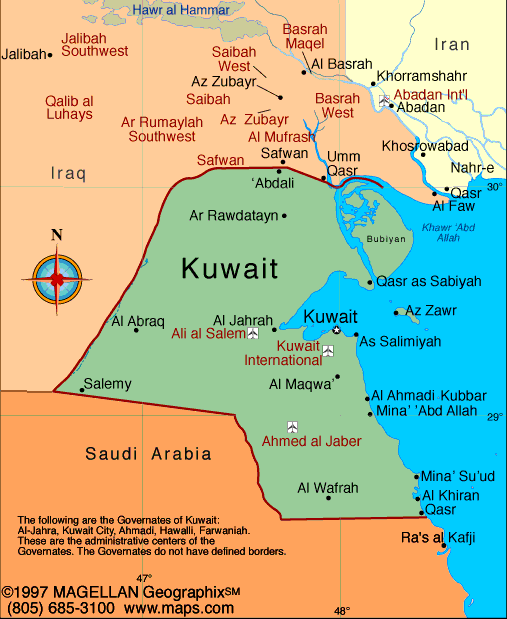
Kuwait is a small yet fascinating country located in Western Asia, bordering Iraq and Saudi Arabia on the world map. It is situated at the northern end of the Persian Gulf, with a coastline that stretches approximately 310 miles. Kuwait is known for its oil reserves and a high standard of living. The country has a rich history and culture, and is home to several cities, including the capital, Kuwait City.
If you want to discover more in-depth information on Kuwait as a country, check out our Kuwait Profile!
Plus, test your knowledge with our regional culture quiz on Middle Eastern Mythological Creatures!
History of Kuwait
Kuwaiti history is long and complex, dating back thousands of years. The region has been inhabited by various groups, including the Greeks and the Persians, and was an important center of trade and commerce in the early Middle Ages. In the 18th century, Kuwait became a prosperous trading center, thanks to its strategic location and access to the Persian Gulf. It gained independence from Britain in 1961, and has since become an important player in regional politics and economics.
Geography of Kuwait
Kuwait is a small country located on the northeastern corner of the Arabian Peninsula. The Middle East map shows that it is bordered by Iraqi land to the north and west, Saudi Arabia to the south, and the Persian Gulf to the east. Kuwait is largely a desert country, with the exception of some fertile coastal areas, and extends over 6,880 square miles in area, making it slightly smaller than the U.S. state of New Jersey. The country also has a maritime border shared with Iran.
The Political State of Kuwait
The political map of Kuwait is divided into six governorates: Al Asimah, Hawalli, Al Farwaniyah, Al Ahmadi, Jahra, and Mubarak Al-Kabeer, with the capital, Kuwait City, located in Al Asimah. These governorates are further divided into districts, which are divided into smaller towns and villages.
Major Cities in Kuwait
Kuwait is home to several major cities, including:
- Kuwait City: The capital and largest city of Kuwait, known as Madīnat al Kuwayt in Arabic, it is a bustling metropolis and the political, cultural, and economic center of the country, on the edge of Kuwait Bay. It is home to several important landmarks, including the Kuwait Towers and the Grand Mosque.
- Al Jahra: Situated to the northwest of Kuwait City, it is known for its historic souks and traditional architecture.
- Al Ahmadi: Located to the south of Kuwait City, it is an important industrial center and home to several oil refineries.
- Hawalli: Found to the southeast of Kuwait City, Hawalli is the largest city in Kuwait and is a residential and commercial district known for its shopping centers and restaurants.
- Fintas: A seaside town situated south of Kuwait City, Fintas is recognized for its laid-back vibe and picturesque beaches by the Arabian Gulf. It is a neighborhood with an increasing variety of shops, eateries, and parks, making it a favored spot for both residents and expatriates.
- Doha: Doha, Kuwait is a small seaside region situated north of Kuwait City, providing a peaceful atmosphere and a picturesque outlook on the Arabian Gulf. Renowned for its housing projects, it serves as a tranquil getaway featuring stunning beaches and green spaces. While not as lively as Kuwait City, Doha presents a more laid-back lifestyle while still ensuring access to vital services and facilities.
- Khaitan: Khaitan is a highly populated region recognized for its housing communities and convenient proximity to the international airport. Situated in the west of Kuwait, it features various local markets and is a hub of considerable commercial activity.
Tourist Attractions in Kuwait
Kuwait is home to several important tourist attractions. Whether you're interested in history, culture, or natural beauty, there is something for everyone in this fascinating country.
Kuwait Towers
The Kuwait Towers are a group of three towers located in Kuwait City. They are an important landmark and symbol of the country, and are a popular destination for tourists.
Bubiyan Island
Bubiyan Island is the largest island in Kuwait, located in the northern part of the country. It is home to several important archaeological sites, and is a popular destination for tourists.
The Grand Mosque
The Grand Mosque, also known as the Kuwait State Mosque, is located in Kuwait City and is one of the largest mosques in the world. It can accommodate up to 10,000 worshippers at a time and is open to non-Muslim visitors.
Souk Al-Mubarakiya
Souk Al-Mubarakiya is one of the oldest and largest markets in Kuwait, offering a wide range of traditional goods and foods. Visitors can find everything from spices and textiles to gold and silver jewelry.
The Tareq Rajab Museum
The Tareq Rajab Museum is a private museum located in Kuwait City. It features a vast collection of Islamic art and artifacts, including calligraphy, ceramics, and textiles from other countries in the Middle East, such as Syria, Yemen, and Oman, among others.
The Persian Gulf
This large and important body of water borders not only Kuwait, but also laps against the shores of other Middle Eastern countries: Bahrain, Qatar, the United Arab Emirates, and Iran. It is home to rocky reefs, fish, and a vast history of transport stretching back to the ancient world.
People Also Ask...
If you're inspecting a physical map of Kuwait, you may have some queries about the region. Here are some of the most frequently asked questions, along with their answers.
Where Is Kuwait Located?
Kuwait is located in Western Asia, at the northern end of the Persian Gulf. It shares borders with Iraq and Saudi Arabia.
Which Country Is Kuwait Part Of?
Kuwait is a sovereign state located in the northeastern region of the Arabian Peninsula. Despite its small size, Kuwait has played a significant role in regional diplomacy and international affairs, and has been a key ally of the United States and other Western countries in the Middle East.
What Is Kuwait Best Known For?
Kuwait is best known for its vast oil reserves, which have made it one of the wealthiest countries in the world. It is also known for its excellent standard of living, modern infrastructure, and fascinating history and culture.
What is the official language of Kuwait?
Arabic is the official language spoken in Kuwait. English is also commonly used, especially in business and government settings, along with urban regions.
What is the currency in Kuwait?
Kuwait's currency is the Kuwaiti Dinar (KWD), recognized as one of the world's strongest currencies. It is divided into 1,000 fils.
What is the climate like in Kuwait?
Kuwait experiences a desert climate characterized by scorching summers, with temperatures soaring above 50°C (122°F). Winters are gentle, with temperatures between 10°C and 20°C (50°F to 68°F), attracting many who look for warmth in the chilly season.
What is the cuisine like in Kuwait?
Kuwaiti cuisine features a rich combination of Middle Eastern, Persian, and Indian influences, with essential ingredients including rice, meat, and seafood. Common favorites consist of machboos (a seasoned rice meal with meat), hummus, and falafel, usually accompanied by fresh vegetables and flatbread. Kuwaiti cuisine is recognized for incorporating fragrant spices such as saffron, turmeric, and cinnamon, resulting in flavorful and aromatic dishes.
What is the main religion in Kuwait?
Kuwait's official religion is Islam, with the majority of its population being Muslim. The nation observes a liberal interpretation of Islam, encompassing both Sunni and Shia groups.
Is Kuwait a safe place to visit?
Kuwait is typically viewed as a secure destination for travelers, featuring low levels of crime. Nonetheless, like in any location, travelers ought to be careful in busy areas and honor local traditions and regulations.
What is the dress code in Kuwait?
Kuwait has a simple dress code, particularly in public areas. Although Western-style attire is generally permissible in many regions, men and women are encouraged to dress modestly, especially when attending religious places or government facilities.
What is the economy in Kuwait?
Kuwait's economy relies heavily on oil, with petroleum constituting the large majority of its income, positioning it among the richest nations globally on a per capita basis. The government is proactively engaging in efforts to diversify the economy through investments in areas such as finance, real estate, and infrastructure. Moreover, Kuwait's advantageous location in the Gulf area has enabled it to be a major participant in trade and logistics.
|
|