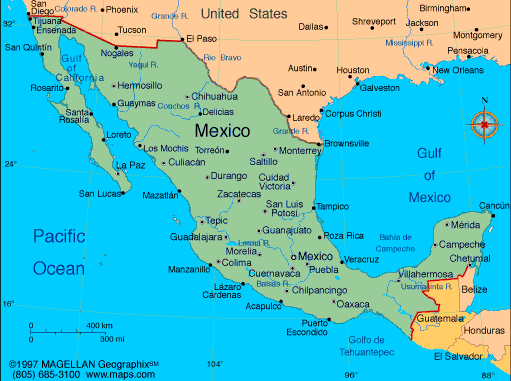
Mexico, officially called the United Mexican States, is a country located in North America. It is bordered to the north by the United States of America, to the south and west by the Pacific Ocean, to the southeast by Guatemala, Belize, and the Caribbean Sea, and to the east by the Gulf of Mexico. It has a diverse landscape, with deserts and mountains, and is home to a variety of flora and fauna. The country is also known for its rich history and culture, with ancient civilizations such as the Maya and Aztecs having left a lasting impact on the country.
Today, Mexico is a popular tourist destination, with visitors flocking to its beaches, historic sites, and vibrant cities. Mexican cuisine is also celebrated around the world for its bold flavors and unique ingredients, such as chili peppers, avocado, and lime. Overall, Mexico is a fascinating and multifaceted country that is certainly worth exploring in depth.
If you want to discover more in-depth information about Mexico as a country, check out our Mexico Profile!
Plus, test your country knowledge with our world geography quiz, Can You Name These Pyramids From Around The World?
Mexico Facts: History
Mexico is a country with a rich and complex history. The region was inhabited by indigenous peoples for thousands of years before the arrival of the Spanish in the 16th century. Mexico City, the capital city, was built on the ruins of Tenochtitlan, the capital of the Aztec Empire.
After Mexico gained independence from Spain in the early 19th century, it underwent a period of political upheaval and instability, including the Mexican-American War in which the United States acquired a significant portion of Mexican territory. Today, Mexico is a federal republic with a diverse and vibrant culture that reflects its indigenous, Spanish, and modern influences.
Mexico Facts: Geography
Mexico is the third-largest country in Latin America and the 11th largest in the world, covering an area of 761,606 sq mi. The country is divided into 31 states (including Chihuahua, Baja California, Durango, San Luis Potosí, and Tlaxcala) and one federal district, Mexico City. Its diverse geography includes deserts, mountains, forests, and coastlines along both the Pacific Ocean and the Gulf of Mexico. The Rio Grande, which forms part of the border between Mexico and the USA, is the country's longest river. Other major bodies of water include the Gulf of California and the Caribbean Sea.
To the south of the Valley of Mexico, known as the Anáhuac, there’s a chain of extinct volcanoes, including Orizaba (or Citlaltépetl, the highest point in Mexico at 18,700 feet), Popocatépetl, and Iztaccáhuatl.
Mexico is bordered by the United States of America to the north, specifically the U.S. states of Texas, New Mexico, Arizona, and California. Historically, Mexico is viewed as North American, but is also a part of Central America, with countries like Guatemala and Honduras.
Biodiversity and Nature
Mexico is one of the world’s most biodiverse countries, and among the top five in terms of species richness. Its diverse ecosystems, including deserts, tropical jungles, mountains and coral reefs, are home to an amazing array of plants and animals. The country is home to more than 1,000 bird species, including the resplendent quetzal and scarlet macaw, as well as mammals such as jaguars, pumas and spider monkeys.
Out on the seas, ocean life flourishes here in Mexico with denizens ranging from whales and dolphins to sea turtles and hundreds of species of fish - the Sea of Cortez has even been dubbed the “aquarium of the world. The Monarch Butterfly Biosphere Reserve is close to being a natural miracle as well, the phenomenon of millions of monarch butterflies migrating to central Mexico from Canada every winter. It's this mix of ecosystems that makes Mexico a world centre for conservation and ecotourism.
Mexico Facts: Tourist Attractions
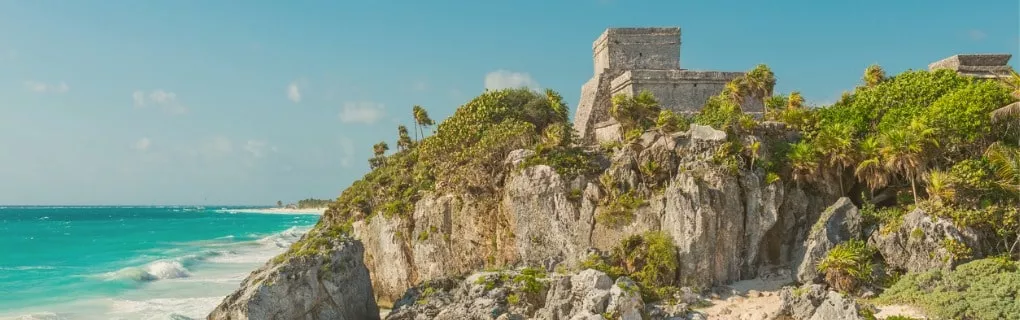
Mexico is a popular tourist destination, known for its warm climate, beautiful beaches, and rich cultural heritage. Some of the country's major cities include Cancun, Guadalajara, Monterrey, and Tijuana. The Yucatán Peninsula is home to the ancient Mayan ruins of Chichén Itzá and Tulum, while Oaxaca and Puebla are known for their colonial architecture and traditional crafts.
The states of Veracruz and Michoacán are famous for their natural beauty, including the Orizaba volcano and the Laguna de Catemaco. Other attractions include the Guanajuato mummies, the Zacatecas silver mines, and the Querétaro aqueduct.
Interesting Facts about Mexico
- The birthplace of chocolate: Mexico is the country where cacao was first grown and used by ancient Mayans, and later Aztecs, to prepare beverages of chocolate.
- World Heritage leader: The country is home to the Great Pyramid of Cholula. This city in Puebla state takes the prize for the largest pyramid (if size is judged by volume, it’s even bigger than the Great Pyramid of Giza).
- Volcano rabbits: The rare “teporingo” or volcano rabbit, one of the smallest rabbit species in the world, can be found jumping around near Mexican volcanoes such as Popocatépetl.
- World Heritage powerhouse: Mexico leads the Americas in UNESCO World Heritage Sites. Visitors can explore a range of ancient ruins and historic cities.
- Colorful traditions: Mexico gave the world iconic cultural celebrations like Día de los Muertos (Day of the Dead), which honors ancestors with altars, food, and marigolds.
- Corn breeding ground: Maize, among the world’s leading crops, was domestically born in Mexico thousands of years ago.
People Also Ask...
If you're inspecting the map of Mexico, you may have some queries about the region. Here are some of the most frequently asked questions, along with their answers.
How Many States in Mexico?
Mexico is divided into 31 states and one federal district (Mexico City). Each state has its own unique culture and attractions, ranging from ancient ruins to colonial architecture to natural wonders. The country's diverse geography and vibrant culture make it a fascinating place to explore.
What Is the Capital of Mexico?
Mexico has one capital, which is Mexico City. It is the country's largest city and the most populous metropolitan area in the Western Hemisphere. Mexico City serves as the political, cultural, and financial center of the country, and is home to many historical and cultural landmarks, including the National Palace, the Metropolitan Cathedral, and the Frida Kahlo Museum.
What Is Mexico Best Known For?
Mexico is best known for its extensive and varied cultural heritage, which includes its historic civilizations, lively art and music scenes, and mouthwatering gastronomy. The nation is also renowned for its breathtaking natural scenery, lovely beaches, and warm hospitality.
What is the Population of Mexico?
Mexico’s population in 2025 is about 132 million people, with more than 80% living in urban areas. The majority are Mestizo (mixed Indigenous and European), while around 15–20% identify as Native, about 2% as Afro-Mexican, and others of European or mixed descent.
What Languages are Spoken in Mexico?
Spanish is the official language in Mexico and is spoken by most Mexicans. But Mexico is also home to 68 national languages, which include indigenous tongues like Nahuatl, Maya and Mixtec.
What is the Main Currency in Mexico?
The currency of Mexico is the Mexican Peso (MXN). The peso is represented by “$” and is one of the world’s most traded currencies.
What Are the Largest Cities in Mexico?
Some large cities in Mexico are Guadalajara, Monterrey, Puebla, Tijuana and Cancún. There's something special about all cities, some steeped in colonial history and others with a modern city vibe.
Mexico Safe to Visit?
While most tourist areas of Mexico are safe for visitors, including Cancún, Playa del Carmen and the historic district of Mexico City, travelers passing through border towns and living in remote communities may be at risk. But as with any country, travelers should remain vigilant and heed local advice, avoiding high-risk areas.
What are some Examples of Traditional Mexican Foods?
Tacos, tamales, enchiladas, mole and pozole are five examples of traditional Mexican foods. Mexican cuisine is UNESCO-inscribed as an Intangible Cultural Heritage of Humanity, noted for its colorful flavors and inclusion of corn, beans and chilli peppers.
What Are Some of the Main Landmarks in Mexico?
Some of Mexico’s most beloved sites are the ancient Teotihuacán, Mayan Chichén Itzá, colonial Guanajato, and nature's Copper Canyon.
What is the Climate in Mexico?
Mexico’s climate is very diverse, due to its length and geography. It varies from arid deserts in the north to temperate forests in the mountains, and tropical areas on coastlines and the Yucatán Peninsula.
Does Mexico Have Volcanoes?
Yes, there are plenty of volcanoes in Mexico. Some examples are Popocatépetl and Iztaccíhuatl near Mexico City, and Pico de Orizaba, the tallest mountain in the country. These volcanoes are in the Pacific “Ring of Fire.”
|
|
 |


