From the volcanic peaks of the Cordillera Isabelia to the golden beaches along the Pacific and Caribbean coasts, Nicaragua is a country of striking natural beauty and rich culture. Known as the “Land of Lakes and Volcanoes,” it offers a unique blend of lush landscapes, colonial cities, and vibrant traditions.
Home to over 7 million people, Nicaragua balances bustling urban centers like Managua and Granada with tranquil villages and untouched nature. Travelers can explore dense rainforests, serene lakes such as Lake Nicaragua, and active volcanoes like Masaya and Momotombo, while enjoying a culture shaped by history, art, and local cuisine.
Learn more about other Central American countries here.
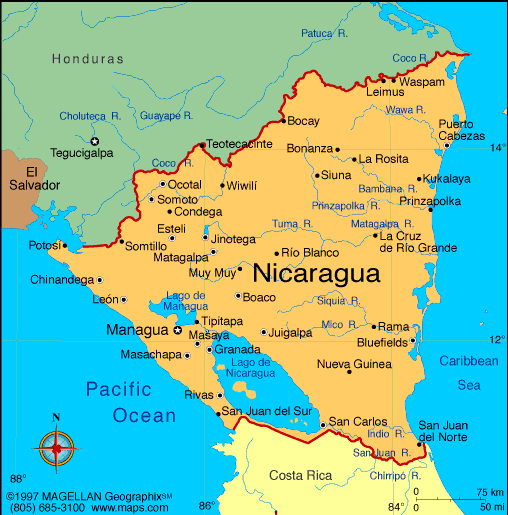
Nicaragua Profile
History of Nicaragua
Nicaragua’s history stretches back thousands of years, with native people such as the Nicarao and Chorotega inhabiting the region long before European arrival. In the early 16th century, Spanish explorers reached the area, establishing settlements and introducing colonial rule that would shape the country’s culture, language, and religion.
During the colonial period, Nicaragua was part of the Captaincy General of Guatemala, under Spanish control, and experienced conflicts with neighboring territories. The region remained largely agricultural, producing crops like cacao and tobacco.
The country declared independence from Spain in 1821 and briefly joined the Mexican Empire and the United Provinces of Central America before becoming a fully sovereign nation in 1838. The 19th and 20th centuries saw periods of political instability, foreign intervention, and internal conflicts, including the influence of U.S. involvement and the Sandinista movement.
Today, Nicaragua reflects a blend of Indigenous, Spanish, and African influences, preserving its rich history through colonial architecture, cultural traditions, and historic cities like Granada and León.
Geography of Nicaragua
Nicaragua is the largest country in Central America, covering about 130,375 square kilometers (50,336 square miles). It is bordered by Honduras to the north, Costa Rica to the south, the Caribbean Sea to the east, and the Pacific Ocean to the west. The country’s location gives it a mix of coastal plains, mountains, and volcanic landscapes.
The Pacific lowlands feature fertile soil and numerous volcanoes, including Masaya, Momotombo, and Concepción. Central Nicaragua is marked by volcanic lakes, such as Lake Nicaragua—the largest in Central America—and Lake Managua, which provide water resources, transportation, and tourism opportunities. The Caribbean lowlands are tropical and forested, home to rivers, wetlands, and rich biodiversity.
Nicaragua has a tropical climate with distinct wet and dry seasons. Temperatures are generally warm year-round, but higher elevations in the mountains are cooler. Its diverse geography supports agriculture, cattle ranching, ecotourism, and a variety of outdoor activities.
Major Cities
- Managua
- León
- Granada
- Masaya
- Chinandega
- Estelí
- Matagalpa
- Jinotega
- Bluefields
- Rivas
Interesting Facts about Nicaragua
- Land of Lakes and Volcanoes: Nicaragua is home to more than 40 volcanoes and several large lakes, including Lake Nicaragua, which is the largest in Central America.
- Ometepe Island: Formed by two volcanoes rising from Lake Nicaragua, Ometepe is a UNESCO biosphere reserve and a unique natural wonder.
- Masaya Volcano: One of the few volcanoes in the world with an active lava lake, located within Masaya Volcano National Park.
- Colonial Cities: Cities like Granada and León preserve Spanish colonial architecture and are popular tourist destinations.
- Cultural Festivals: Nicaragua hosts colorful festivals, including La Purísima in December, celebrating the Virgin Mary with music, dancing, and traditional foods.
- Surfing Hotspot: The Pacific coast, especially areas like San Juan del Sur, is famous for world-class surfing beaches.
- Unique Wildlife: The country has diverse ecosystems, from tropical rainforests to dry forests, hosting species like howler monkeys, jaguars, and exotic birds.
People also ask…
What is the Capital of Nicaragua?
The capital of Nicaragua is Managua, located on the southwestern shore of Lake Managua. It is the political, economic, and cultural center of the country.
What is the Cuisine of Nicaragua?
Nicaraguan cuisine features dishes like gallo pinto (rice and beans), nacatamales (Nicaraguan tamales), quesillo (soft cheese with tortillas), and fresh seafood along the coasts. Corn, beans, and tropical fruits are staples in local cooking.
What Official Currency of Nicaragua?
Nicaragua uses the córdoba (NIO) as its official currency. U.S. dollars are also widely accepted in some tourist areas.
What is Nicaragua famous for?
Nicaragua is known for its volcanoes, lakes, and islands, including Lake Nicaragua and Ometepe Island, as well as its colonial cities, coffee plantations, and vibrant cultural festivals.
|
|
 |


