Haiti, officially known as the Republic of Haiti (République d’Haïti), is a Caribbean nation situated on the western third of the island of Hispaniola, which it shares with the Dominican Republic. With an area of approximately 10,700 square miles, it is the third-largest country in the Caribbean. Home to around 11.5 million people, Haiti is known for its resilient spirit, rich culture, and historical significance as the first independent Black republic in the world.
The country's stunning mountainous terrain, from which it gets its indigenous Taíno name Ayiti meaning “Land of High Mountains,” complements its tropical climate, coastal plains, and vibrant culture rooted in African, French, and indigenous influences.
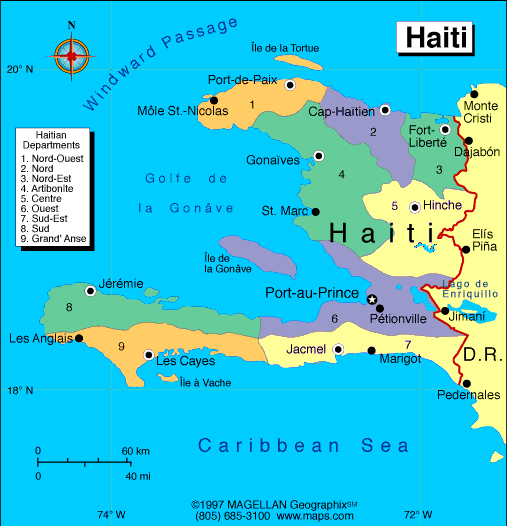
Haiti Profile
Haiti Geography
Haiti occupies the western one-third of Hispaniola Island, bordered by the Dominican Republic to the east, the Caribbean Sea to the south, and the Atlantic Ocean to the north. The nation is largely mountainous, interspersed with fertile valleys, plains, and coastal regions.
Haiti’s highest point is Pic la Selle, rising to over 8,700 feet. The Artibonite River, the longest river in Haiti, provides water for agriculture and hydroelectric power. The coastline stretches about 1,100 miles, offering scenic beaches, mangroves, and coral reefs.
Major cities include:
- Port-au-Prince – the capital and economic center
- Cap-Haïtien – known for colonial architecture and historical sites
- Gonaïves – birthplace of Haitian independence
- Jacmel – artistic, colorful, and known for Carnival celebrations
- Les Cayes – gateway to Haiti’s southern beaches
Haiti Tourist Attractions
Despite its struggles, Haiti boasts extraordinary natural beauty, deep history, and rich cultural experiences that make it a meaningful destination for travelers seeking authenticity and heritage.
Beaches
- Labadee: A private resort area known for clear waters, zip lines, and scenic coastal views.
- Port-Salut: Peaceful and pristine, perfect for swimming and local seafood.
- Ile-à-Vache: A small island with secluded beaches and eco-lodges ideal for relaxation.
- Jacmel Beach: Artistic atmosphere and a hub for local festivals.
Historic & Cultural Sites
- Citadelle Laferrière: A UNESCO World Heritage Site and one of the largest fortresses in the Americas, symbolizing Haitian independence.
- Sans-Souci Palace: The grand ruins of King Henri Christophe’s palace, reflecting Haiti’s royal past.
- Iron Market (Marché en Fer): A bustling market in Port-au-Prince selling art, crafts, and local produce.
- Jacmel: Known for its vibrant art scene, colorful architecture, and papier-mâché masks.
Nature & Adventure
- Bassin Bleu: A stunning series of turquoise waterfalls near Jacmel.
- Macaya National Park: A protected rainforest home to rare birds and orchids.
- Saut-Mathurine: The largest waterfall in Haiti, located near Les Cayes.
- La Visite National Park: Mountainous landscapes perfect for hiking and birdwatching.
National Parks & Natural Areas
Haiti’s protected areas preserve its biodiversity and mountain ecosystems:
- Macaya National Park: One of the Caribbean’s last cloud forests.
- La Visite National Park: Offers breathtaking mountain views and endemic species.
- Etang Saumâtre (Lake Azuei): Haiti’s largest lake, near the Dominican border, home to flamingos and crocodiles.
People also ask…
Does Haiti Experience Hurricanes?
Haiti lies in the Caribbean hurricane belt, and the hurricane season runs from June to November, peaking between August and October. The country is vulnerable due to its mountainous terrain and limited infrastructure, but communities have strong resilience and preparedness traditions. Visitors should monitor weather alerts during these months.
What Is Haiti Famous For?
Haiti is famous for being the first Black-led republic, its vibrant art, music, and cultural heritage, and its historic revolution that inspired freedom movements worldwide. It’s also known for voodoo spirituality, rum, colorful markets, and rich folklore.
What Are the Top Tourist Attractions in Haiti?
Top attractions include Citadelle Laferrière, Sans-Souci Palace, Jacmel, Bassin Bleu, Ile-à-Vache, and Labadee.
What Is Haitian Food Like?
Haitian cuisine is bold and hearty, featuring dishes such as griot (fried pork), rice and beans, legim (vegetable stew), and pikliz (spicy pickled slaw). Tropical fruits like mangoes, papayas, and coconuts are plentiful. Street food such as marinad (fritters) and akra (malanga fritters) are local favorites.
|
|
 |


