Dominica Profile
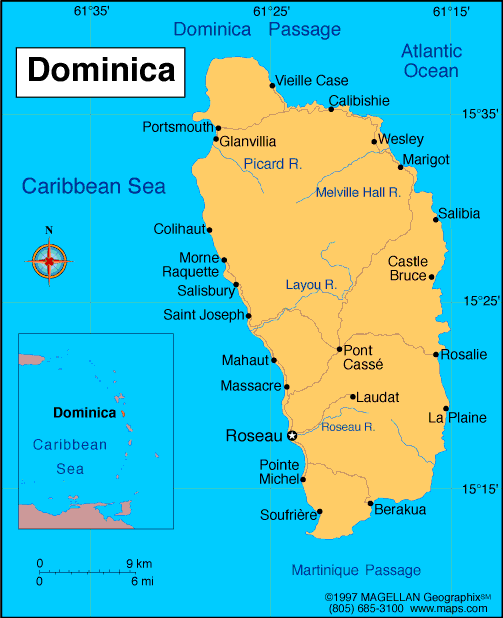
Dominica is a small island nation located in the eastern Caribbean Sea, between the French territories of Guadeloupe and Martinique. A map of Dominica shows a rugged, mountainous island with dense rainforests, deep valleys, and a dramatic coastline. Unlike many Caribbean islands, Dominica is known more for its natural landscapes than for beaches.
Often called the Nature Island of the Caribbean, Dominica features volcanic peaks, waterfalls, hot springs, and extensive hiking trails. Roseau is the capital and main port, serving as the political and commercial center of the country.
History of Dominica
Dominica was originally inhabited by the Kalinago people, who resisted European settlement longer than most Caribbean islands. The island changed hands between France and Britain multiple times during the 17th and 18th centuries before becoming a British colony in 1763.
Dominica gained independence from the United Kingdom in 1978. Since independence, the country has focused on environmental conservation, eco tourism, and sustainable development while maintaining strong cultural traditions rooted in African and Indigenous heritage.
Geography of Dominica
Dominica covers approximately 751 square kilometers and is one of the most mountainous islands in the Caribbean. Its volcanic origin has shaped a landscape of steep ridges, fertile valleys, and geothermal features.
Key geographic features include:
-
Volcanic Mountains: Interior peaks including Morne Diablotins
-
Rainforests: Thick tropical forests covering much of the island
-
Rivers: Over 300 rivers and streams
-
Boiling Lake: One of the largest hot lakes in the world
-
Coastline: Rocky shores with limited sandy beaches
The climate is tropical, with heavy rainfall throughout the year and a hurricane season from June to November.
Major Towns
-
Roseau: Capital and largest town
-
Portsmouth: Second largest town, located in the north
-
Marigot: Coastal town near the airport
-
Grand Bay: Community in southern Dominica
-
Castle Bruce: Eastern coastal town
Facts & Figures About Dominica
-
Area: 751 square kilometers
-
Population: Around 72,000
-
Capital: Roseau
-
Official Language: English
-
Other Languages: Dominican Creole French
-
Currency: Eastern Caribbean dollar (XCD)
-
Independence: 1978 from the United Kingdom
-
Climate: Tropical
-
Main Industries: Eco tourism, agriculture, services
People also ask
Where is Dominica located?
Dominica is located in the eastern Caribbean Sea, between Guadeloupe and Martinique in the Lesser Antilles.
What is Dominica known for?
Dominica is known for its rainforests, volcanic landscapes, rivers, and eco tourism rather than resort beaches.
Is Dominica the same as the Dominican Republic?
No. Dominica is a separate country and island nation. The Dominican Republic is a much larger country located on the island of Hispaniola.
Is Dominica safe to visit?
Yes. Dominica is generally safe for travelers, especially those interested in nature and outdoor activities. Standard travel precautions are recommended.
|
|
 |


