Sri Lanka is a stunning island nation, known as the Pearl of the Indian Ocean, celebrated for its lush landscapes, golden beaches, and deep cultural heritage. Located just off the southern coast of India, this tropical paradise blends ancient history with vibrant modern life. As of 2025, Sri Lanka’s population is approximately 23 million, representing a rich mosaic of ethnicities, languages, and traditions.
From the misty tea-covered hills of Nuwara Eliya to the bustling streets of Colombo and the sun-drenched shores of Galle, Sri Lanka offers remarkable diversity within a compact area. Its geography spans rolling plains, tropical rainforests, and mountain peaks like Pidurutalagala, the island’s highest point. With its UNESCO World Heritage sites, world-class wildlife reserves, and flavorful cuisine, Sri Lanka continues to captivate travelers and geographers alike.
To explore Sri Lanka’s maps, regions, and fascinating facts, visit our Sri Lanka page for more details.
Sri Lanka Profile
History of Sri Lanka
Sri Lanka’s history stretches back more than 2,500 years, making it one of the oldest continuously inhabited regions in South Asia. Ancient chronicles like the Mahavamsa record the arrival of Prince Vijaya from northern India around 543 BCE, marking the legendary beginning of the Sinhalese kingdoms. Over the centuries, powerful ancient cities such as Anuradhapura and Polonnaruwa flourished, becoming centers of Buddhist learning, art, and architecture.
From the 16th century onward, Sri Lanka became a focal point for European colonial powers. The Portuguese arrived first, followed by the Dutch in the 17th century, and finally the British in 1796. Under British rule, the island was known as Ceylon and became an important exporter of tea, rubber, and cinnamon — a legacy still evident in the country’s thriving tea industry.
Sri Lanka gained its independence from Britain on February 4, 1948, becoming a self-governing dominion within the Commonwealth. In 1972, it officially adopted the name Sri Lanka and became a republic. The late 20th century was marked by a civil conflict between the government and the Liberation Tigers of Tamil Eelam (LTTE), lasting from 1983 to 2009. Since the end of the war, Sri Lanka has focused on rebuilding, developing tourism, and strengthening its economy.
Today, Sri Lanka stands as a vibrant democracy and multicultural nation, known for its rich heritage, religious harmony, and growing role as a hub for trade and tourism in the Indian Ocean region.
Geography of Sri Lanka
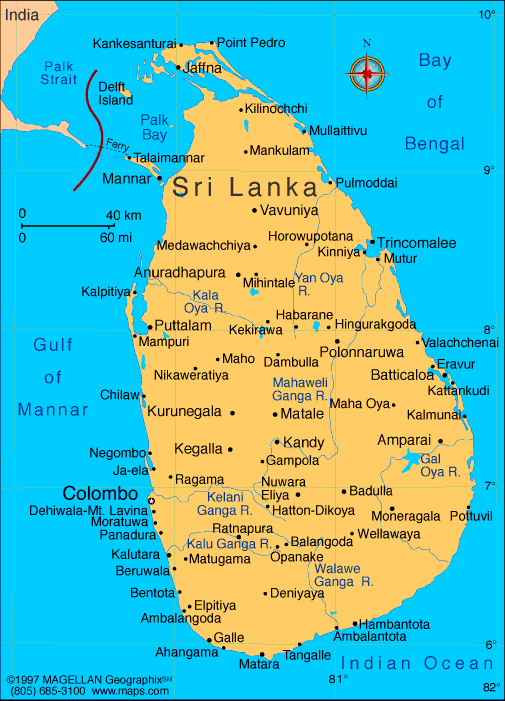
Sri Lanka is a stunning island nation in the Indian Ocean, located just southeast of India and separated from the subcontinent by the Palk Strait and the Gulf of Mannar. The island spans about 65,610 square kilometers (25,330 square miles) and is known for its remarkable geographical diversity within a relatively small area. Its landscape ranges from central mountains and lush rainforests to golden beaches, dry plains, and fertile valleys. The central highlands, including Pidurutalagala, the country’s highest peak at 2,524 meters (8,281 feet), are surrounded by tea plantations and cascading waterfalls, while the coastal areas feature palm-lined beaches and lagoons.
Sri Lanka experiences a tropical climate shaped by two major monsoon seasons: the Southwest Monsoon from May to September, which brings heavy rain to the southern and western regions, and the Northeast Monsoon from December to February, which affects the north and east. Average temperatures typically range between 26°C and 30°C (79°F–86°F) in the lowlands, with cooler weather in the hill country.
This variation in climate and terrain has created diverse ecosystems, from dense rainforests and wetlands to arid scrublands and mountain forests, supporting a wide range of wildlife, including elephants, leopards, and many endemic species. The island’s fertile soils and abundant rainfall make it ideal for agriculture, particularly the cultivation of rice, tea, and tropical fruits.
Major Cities
- Colombo
- Kandy
- Galle
- Jaffna
- Negombo
- Anuradhapura
- Trincomalee
- Batticaloa
- Matara
- Kurunegala
Interesting Facts about Sri Lanka
- Pearl of the Indian Ocean: Sri Lanka is often called the Pearl of the Indian Ocean for its beauty, biodiversity, and strategic location along ancient maritime trade routes.
- Oldest Democracy in South Asia: The country has one of the oldest democratic systems in the region, holding its first modern parliamentary elections in 1947, even before independence.
- Tea Capital of the World: Sri Lanka is one of the world’s top tea producers, famous for its Ceylon tea, which is exported worldwide.
- UNESCO World Heritage Sites: The island is home to eight UNESCO World Heritage Sites, including Sigiriya Rock Fortress, Sacred City of Kandy, and the Ancient City of Polonnaruwa.
- Rich Biodiversity: Despite its small size, Sri Lanka is considered a biodiversity hotspot, hosting hundreds of endemic species found nowhere else on Earth.
- Multiple Religions and Cultures: Sri Lanka is a multicultural society where Buddhism, Hinduism, Islam, and Christianity coexist harmoniously, reflected in its festivals and architecture.
- No Snow, But Plenty of Mountains: While tropical in climate, the central highlands can get surprisingly cool, with misty mornings and lush tea estates.
- Sporting Passion: Cricket is the national obsession, and Sri Lanka’s national team is celebrated for its achievements, including winning the 1996 Cricket World Cup.
- Gemstone Haven: The island is known for its precious gemstones, especially blue sapphires, which have been prized for centuries and even used in British royal jewelry.
- Delicious Cuisine: Sri Lankan food is bold and flavorful, featuring spicy curries, coconut-based dishes, hoppers, and sambols, reflecting the island’s diverse influences
People also ask…
What is the Official Currency of Sri Lanka?
The official currency of Sri Lanka is the Sri Lankan Rupee (LKR). It’s used throughout the island for all transactions, from shopping at bustling local markets to dining in restaurants and staying at hotels. Credit and debit cards are widely accepted throughout the country.
What is the Cuisine in Sri Lanka?
Sri Lankan cuisine is famous for its bold flavors, aromatic spices, and coconut-based curries. Meals often include rice served with a variety of vegetable, fish, or meat curries, along with sambols (spicy condiments made from chili, coconut, or onions). The country’s coastal location ensures an abundance of fresh seafood, making dishes like fish curry and prawn sambol local favorites.
What is Sri Lanka Famous for?
Beyond its stunning beaches, Sri Lanka is known for its tea plantations, ancient heritage sites, and wildlife. The island is home to eight UNESCO World Heritage Sites, including Sigiriya Rock Fortress and the Sacred City of Kandy. It’s also one of the best places in Asia to see elephants, leopards, and blue whales in their natural habitats.
|
|
 |


