Nepal, a small landlocked country in Southern Asia, is known for its diverse geography, rich culture, and natural wonders. Bordered by India and China, Nepal is a unique destination that offers visitors a wide range of experiences. From trekking in the Himalayas to exploring ancient temples and palaces, Nepal has something to offer everyone.
If you want to discover more in-depth information on Nepal as a country, check out our Nepal Profile!
Plus, test your country knowledge with our Nepal geography quiz on Climbing Mount Everest!
History of Nepal
Nepal has a rich history that dates back to ancient times. The country was a Hindu kingdom until it was declared a secular state in 2008. Nepal has been a crossroads for different cultures and religions, including Hinduism and Buddhism. Lumbini, the birthplace of Buddha, is located in Nepal, and it is a popular pilgrimage site for Buddhists from all over the world. Nepalese culture is diverse and rich, with music, dance, and festivals playing an essential role in daily life. Nepali is the official language of Nepal.
Today, Nepal is a federal democratic republic and has a developing economy. The country still struggles with issues including poverty, political instability, and infrastructure development. Significant development has been made in education, tourism and social programs throughout the country. While cities such as Kathmandu and Pokhara are commercial and tourist centers, the lifestyle of many Nepalese is still traditional. Festivities, tunes and religious rites continue to be a mainstay of everyday life, preserving the long-lasting cultural identity passed down over generations despite rapid modernization and globalization.
Geography of Nepal
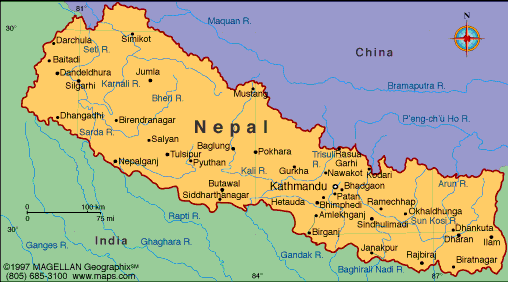
Nepal covers an area of 147,181 square kilometers and its political map is divided into seven administrative divisions, including Bagmati, Karnali, and Gandaki. The major cities in Nepal are Kathmandu, Pokhara, Biratnagar, and Lalitpur.
The Kathmandu Valley, a UNESCO World Heritage Site, includes the cities of Kathmandu, Patan, and Bhaktapur, and is known for its ancient temples and palaces. Nepal is home to the Himalayan mountain range, which includes the highest peak in the world, Mount Everest, and several other peaks that are popular destinations for trekking and climbing enthusiasts.
On a map of Asia, Nepal shares its borders with India to the south and China to the north. It is also located near Bangladesh, Bhutan, Pakistan, and Tibet Autonomous Region.
Tourist Attractions in Nepal
Nepal is a popular destination for tourists from all over the world. Hiking and climbing in the Himalayas is a popular activity, and it offers visitors a once-in-a-lifetime chance to experience the stunning natural beauty of the mountains.
The Kathmandu Valley is home to several ancient temples and palaces, including the Pashupatinath Temple and the Bhaktapur Durbar Square. These temples and palaces are known for their intricate architecture and stunning artwork. The country also offers a range of adventure activities such as bungee jumping, white-water rafting, and paragliding.
The Himalayan Mountain Range
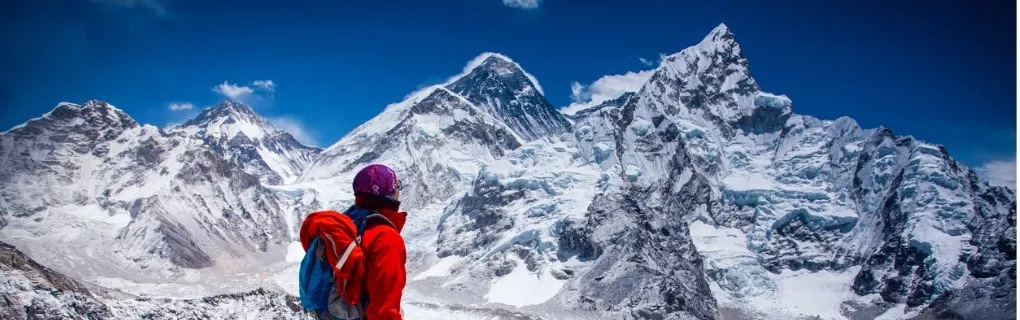
The Himalayan mountain range is one of Nepal's most famous natural wonders. It includes the highest peak in the world, Mount Everest, which is a popular destination for experienced climbers. The range contains more than one hundred peaks that exceed 23,600 feet (7,200 meters) above sea level. Nepal has eight of the 14 highest mountains in the world, making it a popular destination for climbers and trekkers from all over the world.
Apart from Mount Everest, other important peaks include Lhotse (the fourth highest mountain in the world), Makalu (the fifth highest), and Cho Oyu (the sixth highest). The range is also a significant source of freshwater, providing water to millions of people in South Asia.
Nepalese Natural Wonders
Apart from the Himalayas, Nepal is known for its natural wonders, including several national parks. The Annapurna Conservation Area is known for its diverse wildlife and stunning natural beauty for any visitors to the area. Nepal is also home to several endangered species, including tigers, elephants, and rhinoceroses. The Chitwan National Park is a famous national park in Nepal, known for its rich wildlife.
Traveling in Nepal and Asia
If you plan to visit Nepal, it's essential to have a good map to navigate your way around the country. On Infoplease, you can find a country map of Nepal, a world map, and other country maps of South Asia, including India, Bhutan, Pakistan, and the Tibet Autonomous Region. The West Bengal state of India and the Sikkim region in India are other neighboring places to explore while in Nepal.
Fun Facts About Nepal
- Highest Peak Home: Nepal is the proud owner of Mount Everest, which stands at 29,029 feet and is the highest mountain in the world.
- Eight of 14 Highest Peaks: Nepal is home to eight of the highest mountains in the world (over 26,246 feet), making it a mecca for climbers.
- Birthplace of Buddha: Lumbini in Nepal is so far identified as the birthplace of Siddhartha Gautama, who later went on to establish Buddhism.
- Living Goddess: Nepal is known for its Kumari, or living goddess - a young girl chosen from the Newar community who is honored as a divine incarnation of the goddess Taleju.
- Cultural Festivals: Festivals, namely Dashain and Tihar, are observed with much fervour, highlighting the diverse culture of Nepal.
- Wildlife: Tigers, rhinos and elephants are among the inhabitants of Chitwan National Park and other national parks in Nepal (home to more than 500 species of birds).
People Also Ask…
If you're inspecting maps of Nepal, you may have some queries about the region. Here are some of the most frequently asked questions, along with their answers.
Is Nepal Part of India or China?
Nepal is a sovereign country located in South Asia, sandwiched between India and China. It is not a part of either India or China.
What Country Does Nepal Belong To?
Nepal is a separate country located in Southern Asia, bordered by India to the south and China to the north. It is not a part of India or China, but it is situated between the two countries and has a unique Nepalese culture, geography, and history all of its own.
Is Nepal Under India or Not?
Nepal is an independent and sovereign country, and though it borders several major countries such as India and China, the Federal Democratic Republic of Nepal is not under India or any other country's control.
What is Nepal Famous for?
Nepal is well known for its Himalayas, which include the highest mountain in the world, Mount Everest, its rich culture and festivals, old temples, and trekking destinations.
What is the Old Name of Nepal?
The nation was known as the Kingdom of Nepal before it became a federal democratic republic in 2008. The term "Nepal" itself is derived from the Newar language, which refers to the Kathmandu Valley as "Nepa." The Kingdom of Nepal was ruled by the Shah dynasty from 1768 until 2008.
What is the Capital of Nepal?
Kathmandu is the capital and largest city. Located in the Kathmandu Valley, the city is known for its historical temples, royal palaces and lively markets. It also serves as a starting point for the famous Annapurna and Himalaya trekkers who are heading to Mount Everest.
What Languages are Spoken in Nepal?
The national language of Nepal is Nepali, which is spoken by around 20 million people, but there are more than 120 other languages and dialects, including Maithili, Bhojpuri, Tharu and Newari.
What is the Population of Nepal?
Nepal is inhabited by approximately 30 million people from different ethnic groups like the Brahmins, Chhettris, Newars, Magars and Tharus.
What is the Main Religion in Nepal?
The main religion in Nepal is Hinduism, followed by Buddhism and small communities of Muslims, Christians, and animists.
What is the Official Currency of Nepal?
The official currency in Nepal is the Nepalese Rupee (NPR).
What are the Main Rivers in Nepal?
Nepal has many significant rivers that have their sources in the Himalayas and flow into the Ganges River system. The Koshi River, often described as the “Sorrow of Bihar” because of its recurrent flooding, originates in eastern Nepal and enters India. The central region is where the Kali Gandaki Gorge carves its way through the Himalayas. The longest river in Nepal is the Karnali River. It originates from the northwestern Himalayas, entering India and helping sustain agriculture and hydropower projects. Other important rivers are the Bagmati, Mechi and Bheri as they support irrigation to local settlements.
Is Nepal Safe to Visit?
Nepal is usually safe for tourists, particularly in popular destinations, such as Kathmandu, Pokhara and trekking routes. Visitors should exercise normal precautions and review local travel advisories for remote areas.
|
|
 |


